Answering 24/7 in Bridgeport, CT
Biohazard cleanup and disinfection in Bridgeport, at any hour
A crime scene, a death that went unnoticed, blood after an injury, or sewage in the basement. We clean up biohazards quietly and safely, handle the waste the way Connecticut requires, and clean and disinfect homes and businesses too. Someone picks up this line at any hour.
- Phones answered 24/7
- Crime scenes, deaths and blood
- Homes, businesses and vehicles
Biohazards we clean up
- Crime scenes
- Unattended deaths
- Blood and bodily fluids
- Sewage backups
- Needles and sharps
- Hoarding
The short version
Who calls us, and what happens after you do
Most calls to our Bridgeport line are about biohazards: a death that went unnoticed, a crime or injury scene once police have released it, blood or other body fluids, a sewage backup, or needles found in a building. The rest are homes and businesses that need cleaning or disinfection on a schedule.
We answer around the clock, ask what happened and who has been in the space, and send a crew from the Main Street service office or the New Milford head office, whichever is closer to you.
Clean, sanitize or disinfect: which one you actually need
Clean
Removes dirt, grease and organic matter with detergent and water. It makes no promise about germs, but it has to come first, because grime shields germs from any disinfectant.
Enough for: weekly house cleaning, and offices between disinfection visits.
Sanitize
Lowers germs to a level health rules treat as safe. This is the standard for food-contact surfaces in home kitchens, cafeterias and restaurants.
Enough for: cutting boards, prep counters, high chair trays.
Disinfect
Kills the germs named on the product label, but only when the surface stays visibly wet for the full contact time printed there.
Needed for: vomiting or diarrhea cleanup, classrooms in flu season, rodent droppings.
Definitions follow CDC environmental cleaning guidance; the contact time rule comes from EPA.
Biohazard cleanup
The cleanups that need protective gear, not just a mop
Blood, body fluids, sewage and sharps carry germs that ordinary cleaning spreads around. These jobs get protective suits, a disinfectant OSHA accepts for blood, and waste handled under Connecticut biomedical waste rules.
Crime Scene Cleanup
Homicide, assault and break-in scenes, once police release them.
Crime scene cleanup detailsUnattended Death Cleanup
Removal of soaked materials and odor at its source.
Unattended death cleanup detailsSuicide & Trauma Scene Cleanup
Quiet, careful cleanup for families after a loss.
Suicide & trauma scenes detailsBlood & Bodily Fluid Cleanup
Injuries, medical events, vomit, urine and feces.
Blood & bodily fluids detailsSewage Backup Cleanup
Floor drain and toilet backups, porous materials out.
Sewage backup cleanup detailsVehicle Biohazard Cleanup
Cars and work vehicles after a death or injury.
Vehicle biohazard cleanup detailsServices
Everyday cleaning and disinfection for homes and businesses
Pick the side that fits you. Every service has its own page covering what the job involves, what changes the price and how long it takes.
For homes
Recurring cleaning on a schedule that suits you, one-time deep cleans, and the jobs that come with moving, building or someone getting sick.
Home cleaning5 services
Disinfection5 services
Floors and surfaces5 services
For businesses
Nightly and weekly cleaning programs, one-time project cleans, floor care and disinfection scheduled around your opening hours.
Commercial cleaning11 services
Disinfection4 services
Floors and surfaces5 services
When to call
Situations that usually start with a phone call
A death went unnoticed for days
Once the medical examiner and police have finished, the room needs protective-gear cleanup, removal of soaked materials and treatment of the odor at its source, not air freshener.
Unattended death cleanupThe police have released a crime scene
Blood and other body fluids travel further than they look. We remove and bag affected materials as biomedical waste, then clean and disinfect what can be saved.
Crime scene cleanupThere is blood after an injury
OSHA accepts an EPA-registered disinfectant labeled for HIV and hepatitis B, or diluted bleach, after the blood is wiped up. Soaked carpet and padding usually come out.
Blood and bodily fluid cleanupSewage came up through the basement drain
Connecticut DPH says porous materials that sewage soaked, carpet included, should be discarded. We remove them, then clean and disinfect the hard surfaces.
Sewage backup cleanupSomeone in the house has a stomach bug
Norovirus shrugs off ordinary wipes. CDC guidance calls for bleach at 1,000 to 5,000 ppm or a product registered against norovirus, and we carry both kinds.
Outbreak disinfectionBrands of disinfectants, sprayers and floor care equipment we work with
Local conditions
Why Bridgeport buildings change the cleaning plan
It is also a city of shared buildings. Two thirds of Bridgeport units sit in multifamily buildings, in a county where most homes are single-family, and fewer than half of households own their home. That means hallways, laundry rooms and trash rooms that need a schedule, and a steady run of move-out cleans whenever leases turn over.
Biohazard work has its own Connecticut rules. Materials soaked with blood or body fluids count as biomedical waste under state DEEP regulations and must leave with a permitted transporter, and the Judicial Branch Office of Victim Services can repay up to $1,000 of crime scene clean-up costs that insurance does not cover.
The calendar matters too. Connecticut public health officials treat October 1 to May 31 as the respiratory virus season, so schools, daycares, gyms and offices tend to add disinfection of shared touch points in the fall. Winter brings road salt: Connecticut towns spread more than twice as much as the state does, and the white film it leaves on lobby tile and hardwood is a floor care job of its own.
Crime scene clean-up Connecticut's victim compensation program can repay
Source: CT Judicial Branch OVSHow a biohazard cleanup runs
From your call to a safe, clean room in five steps
- 1
You call and we ask the right questions
What happened, which rooms and surfaces, and whether police or the medical examiner have released the scene. Those answers decide the gear, the products and the plan.
- 2
We protect the space and the crew
Protective suits, gloves and respirators, the work area closed off, and a path in and out so nothing is tracked through the rest of the building.
- 3
We remove what cannot be saved
Materials soaked with blood or body fluids are bagged and boxed as biomedical waste, which Connecticut requires to go out with a permitted transporter.
- 4
We clean, then disinfect
Surfaces are cleaned first, then treated with a disinfectant OSHA accepts for blood, kept wet for the full contact time on its label.
- 5
We walk the space with you
Odor treated at the source, the room ready to use, and photos and an itemized list of the work for your insurer.
An electrostatic sprayer wraps a charged mist around chair legs and handles, but the product label still sets the contact time.
How we work
Four habits behind every job we take
Whether you call IMD Disinfecting Services about a two-bedroom apartment or a medical office, the same four habits apply.
One line, answered at any hour
Nights, weekends and holidays. If the job can safely wait until morning, we say so instead of selling you an urgent visit.
Products chosen by label
The label decides which germs a product kills, which surfaces it suits and how long it stays wet. Makers like Clorox Healthcare and Lysol Professional label for this work; Victory Innovations and Protexus build the sprayers.
Schedules that fit the building
Homes get daytime visits. Offices, schools and gyms usually get evening or overnight work, so the space is ready when people walk in.
Two offices, one phone number
The Main Street office in Bridgeport covers the shoreline and Fairfield County. The New Milford head office covers Danbury, the lake towns and Litchfield County.
Coverage
Where our crews clean
Most of our work is in Bridgeport and the towns that border it, with regular jobs along the shoreline toward Stamford and New Haven, and inland from the New Milford office around Candlewood Lake. Each page covers what we run into in that part of Connecticut.
Cleaning Tips
Plain answers before you book anything
After an Unattended Death at Home: What to Do First
The first call, what to leave untouched and when the room can be cleaned.
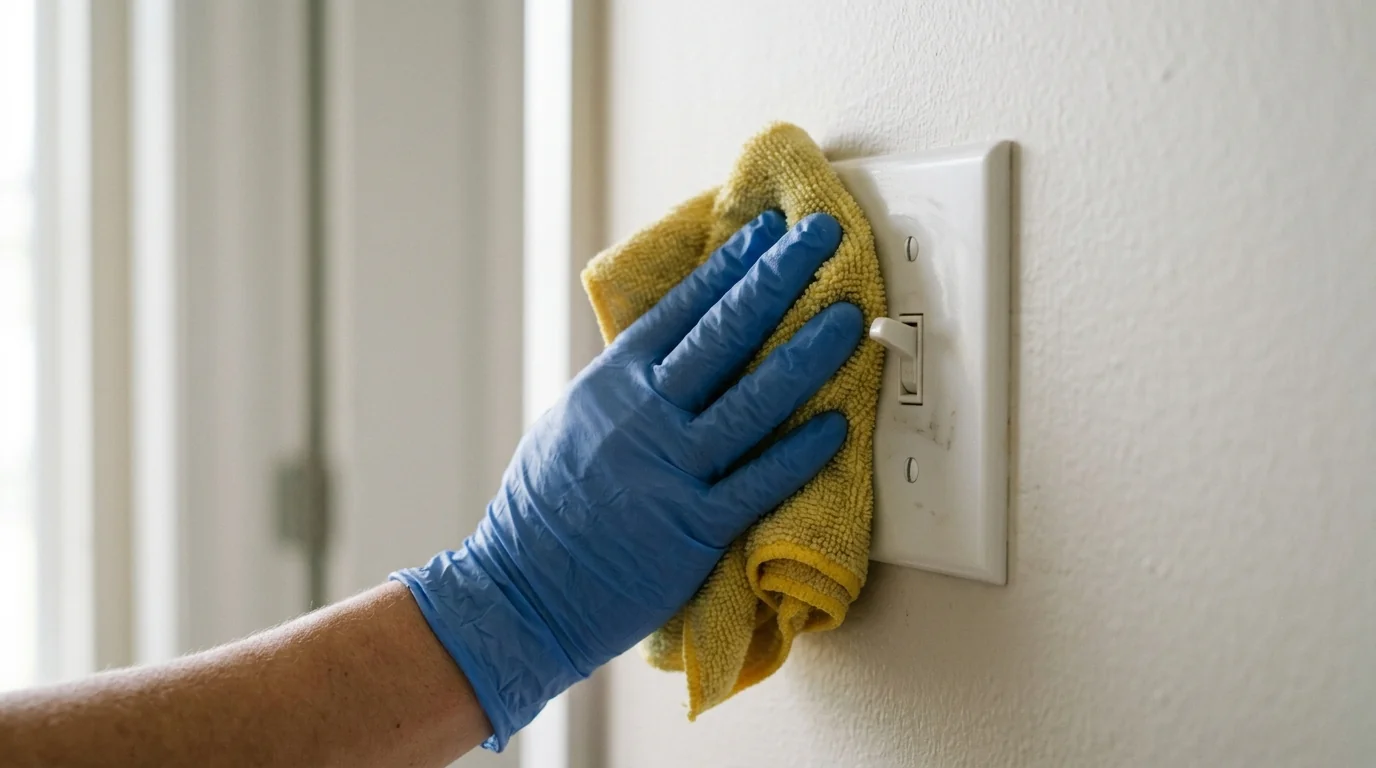
Who Pays for Crime Scene Cleanup in Connecticut?
Insurance, landlords and the state program that covers cleanup costs.
Cleaning Up Blood Safely: What OSHA Accepts
The disinfectants OSHA accepts and when a spill needs a professional.
Questions people ask before they call
Short, direct answers. If yours is not here, the phone is the fastest way to get one.
As soon as police and, where involved, the medical examiner have released the scene. Call us beforehand and we will be ready to go when they finish.
Many homeowners and commercial policies cover it, and we photograph and itemize the work for your adjuster. For a crime scene, Connecticut's Office of Victim Services may repay up to $1,000 of cleanup costs insurance does not cover.
Yes. We keep the visit as low-key as possible, work behind closed doors where we can, and do not discuss the job with neighbors or anyone you have not named.
Both. Homes get recurring cleaning, deep cleans, move-out cleans and disinfection. Businesses get nightly or weekly cleaning, one-time deep cleans, floor care and scheduled disinfection. Each job has its own service page.
Sanitizing lowers germs to a level health rules treat as safe, which is the standard for food-contact surfaces. Disinfecting kills the germs named on a product label, provided the surface stays wet for the full contact time.
It depends on the size of the space and the contact time on the product label, which can run several minutes per surface. Once we know the rooms involved, we give you a time estimate on the phone.
People and pets stay out of the room while it is sprayed and until the label says it is safe to return. We tell you that time before we start so you can plan around it.
Yes. CDC guidance for norovirus calls for bleach at 1,000 to 5,000 ppm or a product registered against it, while flu and COVID-19 are killed by many more products. We choose based on what was in the house.
Tell us what happened and we will take it from there
Describe the space and the mess. We will tell you which service fits, what to do before we arrive, and when a crew can be there.