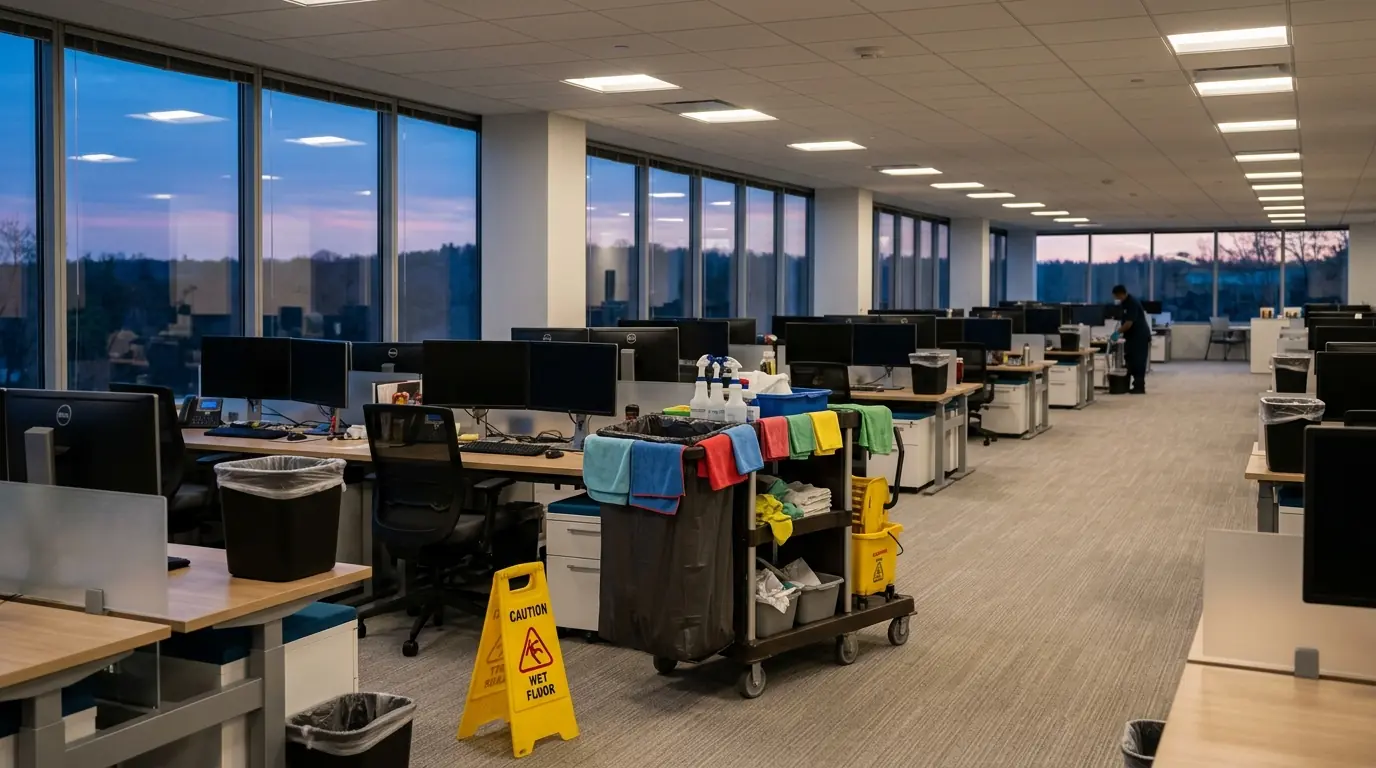
Apartment building cleaning in Bridgeport covers the shared spaces: lobbies and entry glass, hallways and stairwells, elevators, laundry rooms and trash rooms, cleaned on a weekly or several-times-a-week schedule with handrails, buttons and door handles disinfected.
It suits landlords, property managers and condo associations.
What a common area visit covers
We agree the list with the manager or board and follow it every visit.
- Lobby floors, mail area and entry glass
- Hallways vacuumed or mopped
- Stairwells swept and mopped, rails wiped
- Elevator floors, walls and buttons
- Door handles, buzzers and rails disinfected
- Laundry machine exteriors and floors
- Trash room floors and walls cleaned
- Entry mats and light fixtures checked
Why common areas need their own schedule
Tenants keep their own apartments clean, but nobody owns the hallway. Common areas collect tracked-in dirt, salt and sand in winter, fingerprints on glass and elevator buttons, and spills in stairwells, and they shape how the whole building feels to tenants and to anyone touring an empty unit. A set schedule means the lobby is never left for weeks and nothing waits for a tenant complaint.
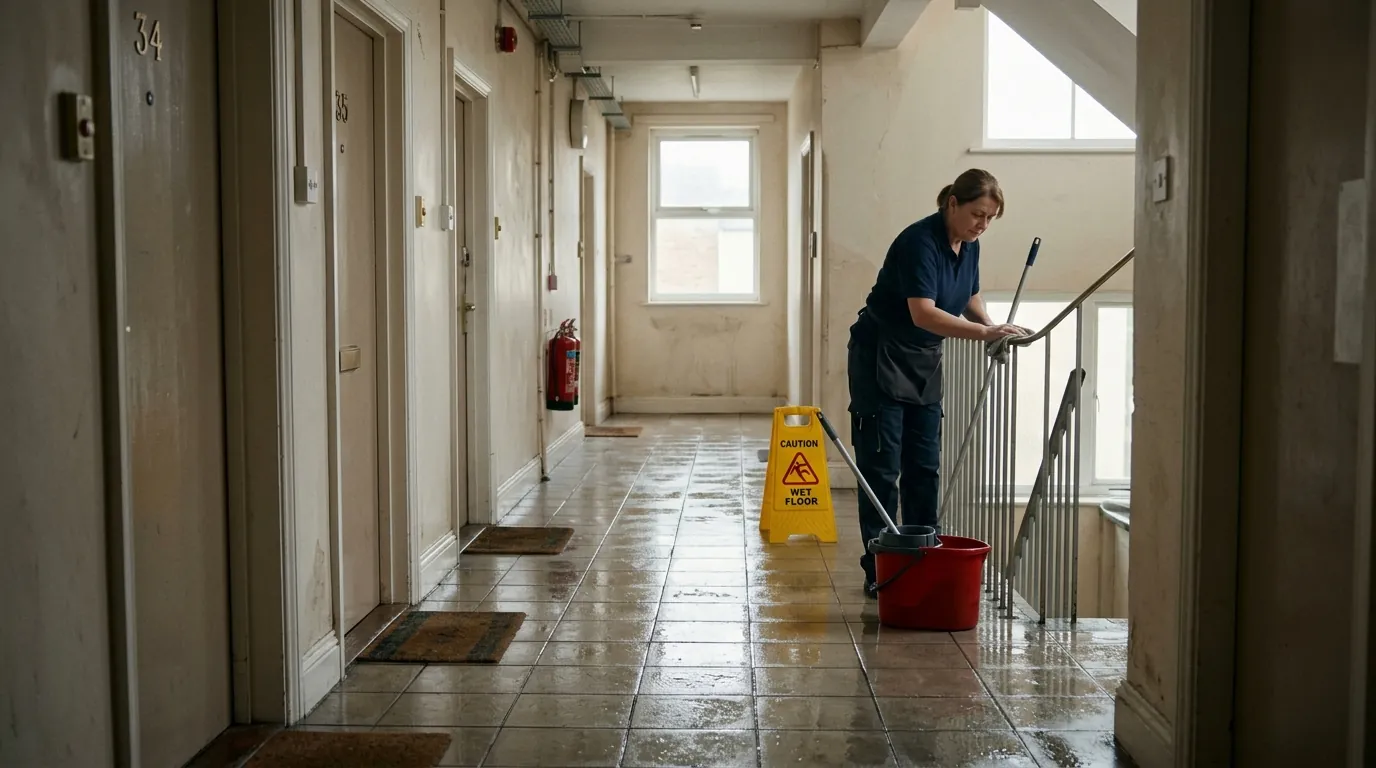
We clean entrances and the busiest floors first, work down through the stairwells, then finish in the laundry and trash rooms, which get their own mops and cloths so nothing is carried back into the lobby.
Lobbies and hallways
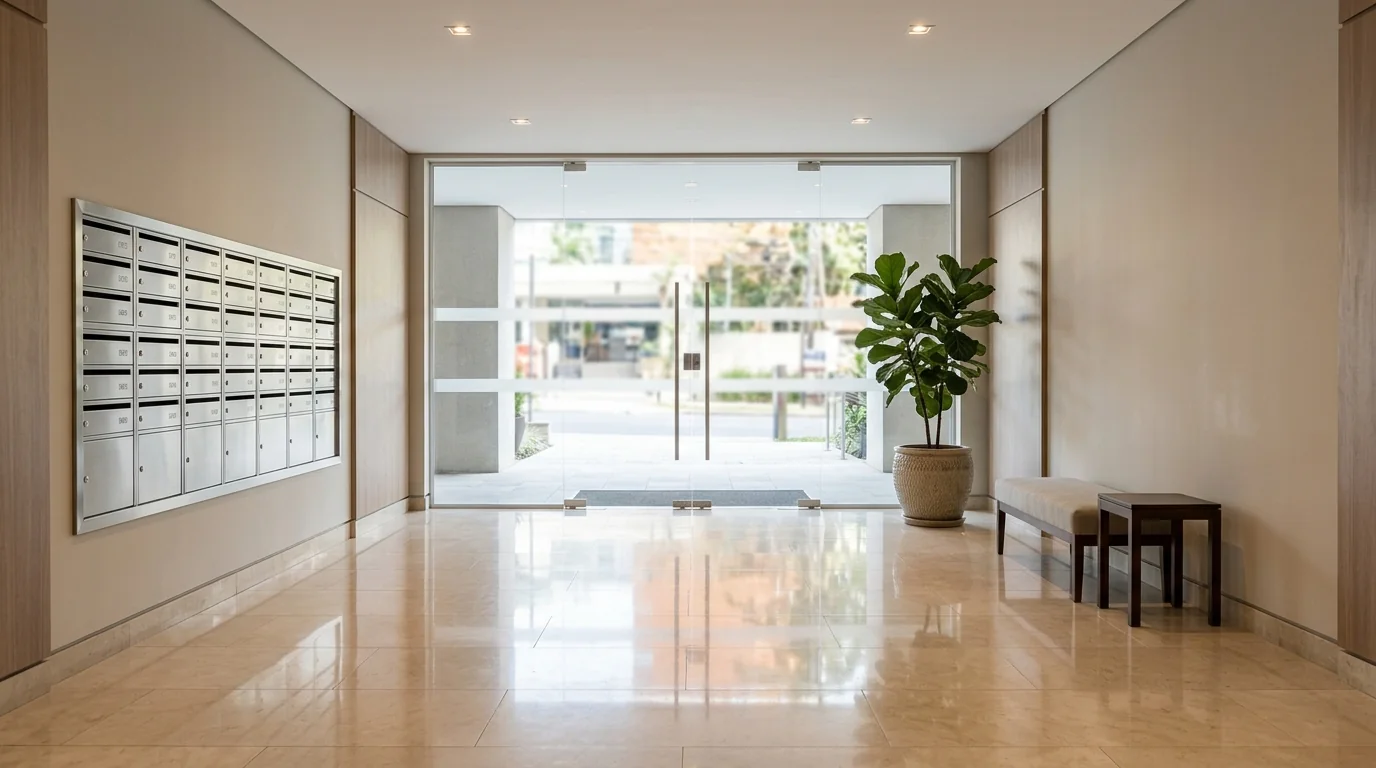
The lobby is the first thing tenants and visitors see, so it gets the most attention: entry glass and door hardware, mailboxes and package areas, floors and mats, and any seating. Hallways on each floor are vacuumed or mopped depending on the floor, doors and baseboards are wiped where marked, and light fixtures are checked for dead bulbs, which we report to the manager. In winter, salt and sand tracked in through the entry spread up every hallway, so entry floors are cleaned on every visit.
Laundry and trash rooms
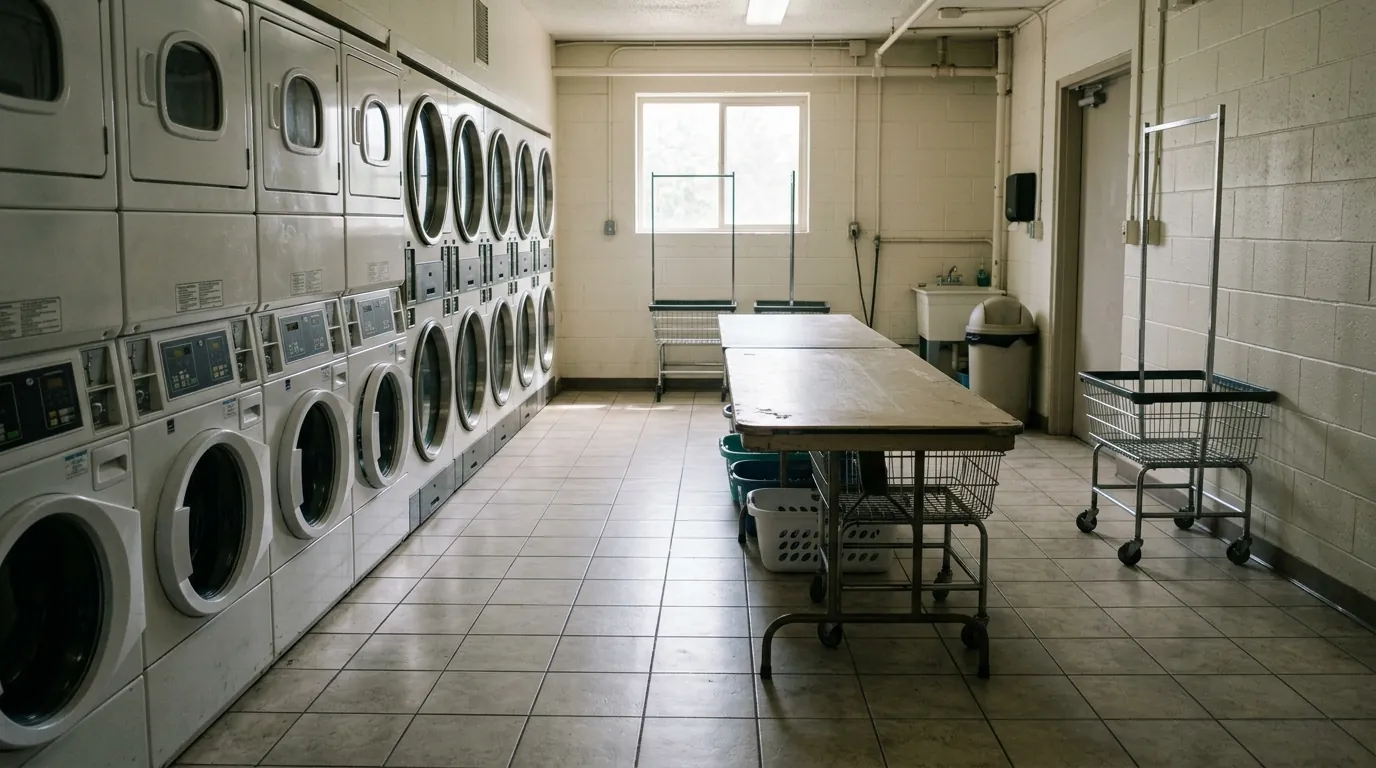
Laundry and trash rooms are where most complaints start. Laundry rooms get machine exteriors and lint areas wiped, folding tables cleaned and disinfected, and floors mopped. Trash and chute rooms get floors scrubbed, walls and doors cleaned where bags have leaked, and an odor treatment once the space is clean. Bins are emptied on the schedule agreed with the manager, and overflow, leaks or any sign of pests are reported to the manager the same day so they can be dealt with quickly.
Stairwells and elevators
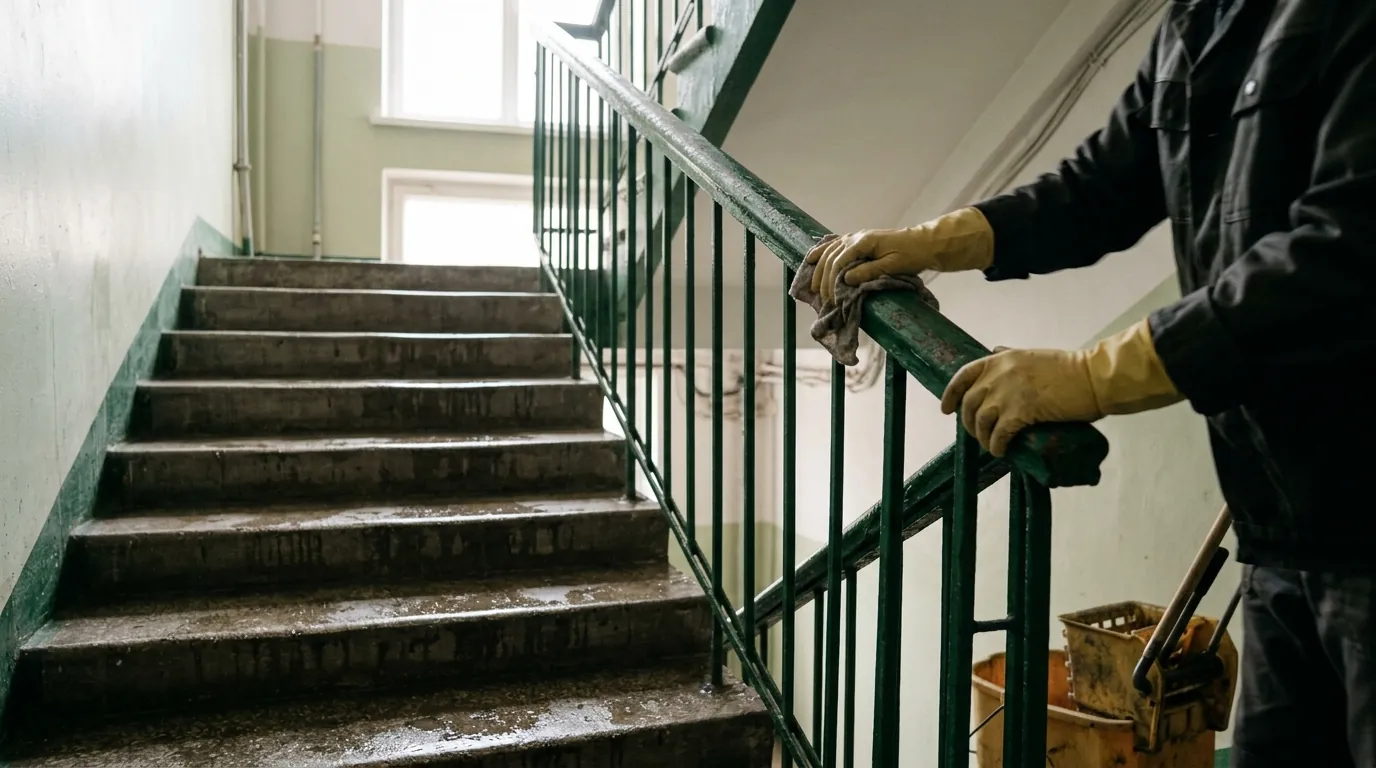
Stairwells collect dust, litter and spills that nobody reports, and they are often the dirtiest part of a well-kept building. We sweep and mop every flight, wipe handrails and disinfect them in flu season, and clean landings and stair doors. Elevators get floors, walls and doors cleaned and the buttons and handrails disinfected on every visit, since every resident touches them. Stainless steel interiors are cleaned with a product that will not streak, and floor mats are vacuumed or swapped.
Step by step
How common area cleaning gets set up
- 1
You tell us about the building
Units, floors, elevators, laundry and trash rooms, and problem areas.
- 2
We walk it with the manager or board
Floors, finishes, and what the super already handles.
- 3
We agree a checklist and schedule
Which areas, how often and on which days.
- 4
Crews follow it every visit
Entrances first, then hallways, stairwells, laundry and trash rooms.
- 5
We report what we see
Lights out, leaks, damage or pests, sent to the manager.
New apartment buildings in Shelton and Stamford
Shelton grew to 40,869 people by 2020, and downtown its old factories have been replaced by multifamily residential buildings. Stamford added 6,380 housing units over the same decade and Bridgeport another 1,862. Newer buildings come with larger lobbies, package rooms, elevators and fitness rooms, all of them shared and all needing a cleaning routine from the day the first tenants move in, while older Bridgeport buildings need the same routine for worn stairwells and tight laundry rooms.
What changes the price of apartment building cleaning
Common area cleaning is priced per visit or per month from the building and the schedule.
- Building sizeFloors, hallways and stairwells to cover.
- FrequencySeveral visits a week cost less each than weekly.
- Elevators and lobbiesGlass, stainless steel and busy entries add time.
- Laundry and trash roomsThese need the most scrubbing.
- ExtrasCarpet extraction, floor refinishing or window cleaning on a schedule.
The super handling it or a cleaning service
Many buildings start with the super or a tenant arrangement. This is where it tends to slip.
| Doing it yourself | When we do it | |
|---|---|---|
| Consistency | Done between repairs and calls | Same day, same checklist every week |
| Coverage | Lobby gets done, stairwells wait | Every floor and stairwell on the list |
| Disinfection | Rarely planned | Rails, buttons and handles on schedule |
| Reporting | Problems noticed when they get bad | Notes and photos to the manager after visits |
Apartment building cleaning questions
Most buildings need lobbies and trash rooms cleaned at least weekly, and busy buildings several times a week.
Yes. We agree the checklist with the board or the management company and report to whoever they choose.
Only if that is agreed. Collection usually belongs to the hauler or the super, but we clean the trash rooms and report overflow.
Yes. Hallway carpet is vacuumed each visit, with extraction scheduled a few times a year.
Yes, every visit, with extra attention through flu season.
Yes. Turnover cleans can be added to the building schedule as units come up.
More commercial cleaning in Bridgeport
Need the halls kept clean?
Tell us about the building, the floors and what the super already handles. We will set the checklist and the schedule.