Vehicle biohazard cleanup in Bridgeport means removing blood and body fluids from seats, carpet, headliner and every gap they reached, pulling seats or panels where fluids ran beneath, disinfecting with a product OSHA accepts for blood and treating odor at the source.
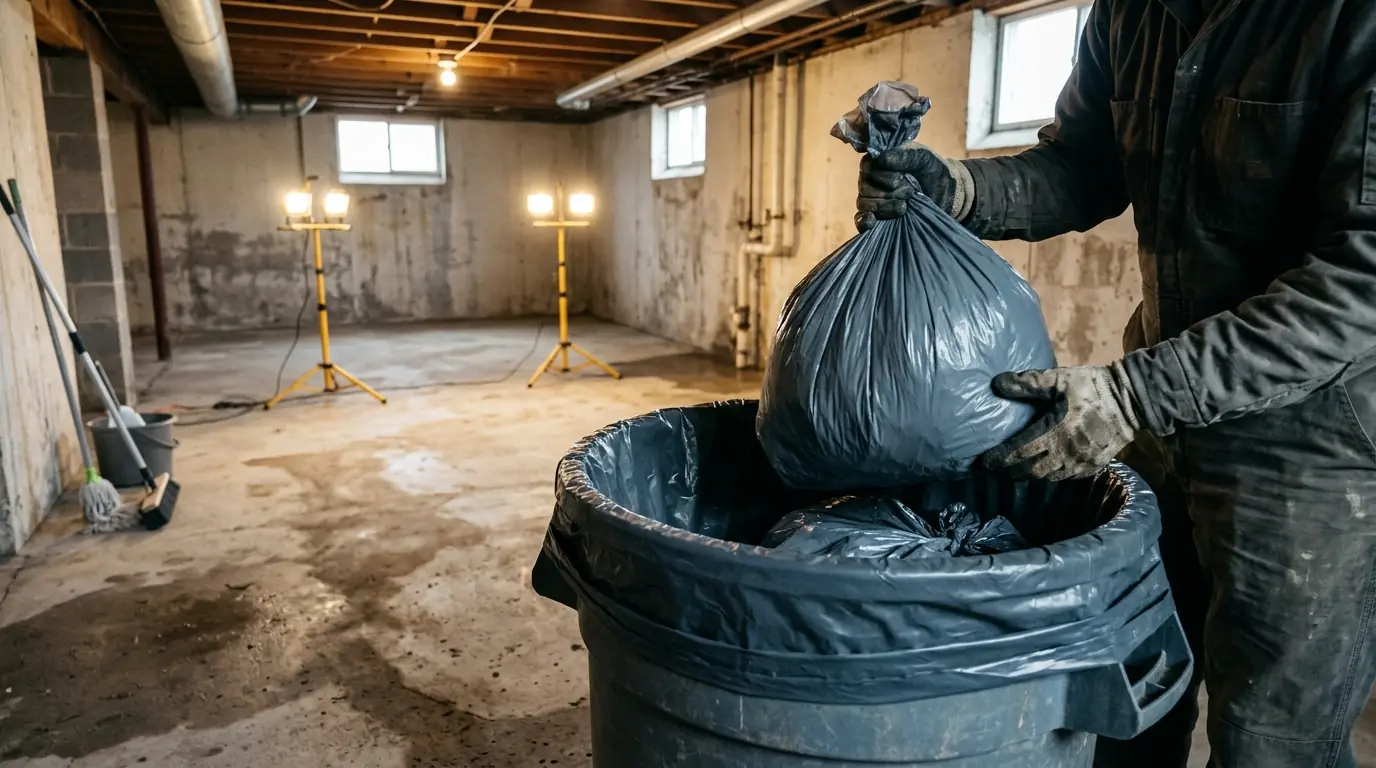
Soaked parts leave as biomedical waste.
Why a vehicle is harder to clean than a room
A car is a small, closed space packed with fabric, foam, seams and gaps. Blood and other fluids run into seat foam, under seat rails, into seat belt retractors and down to the carpet pad and floor pan, and heat inside a closed car speeds up odor and bacterial growth. A surface wipe leaves most of it behind, which is why vehicles that were only detailed often still smell weeks later.
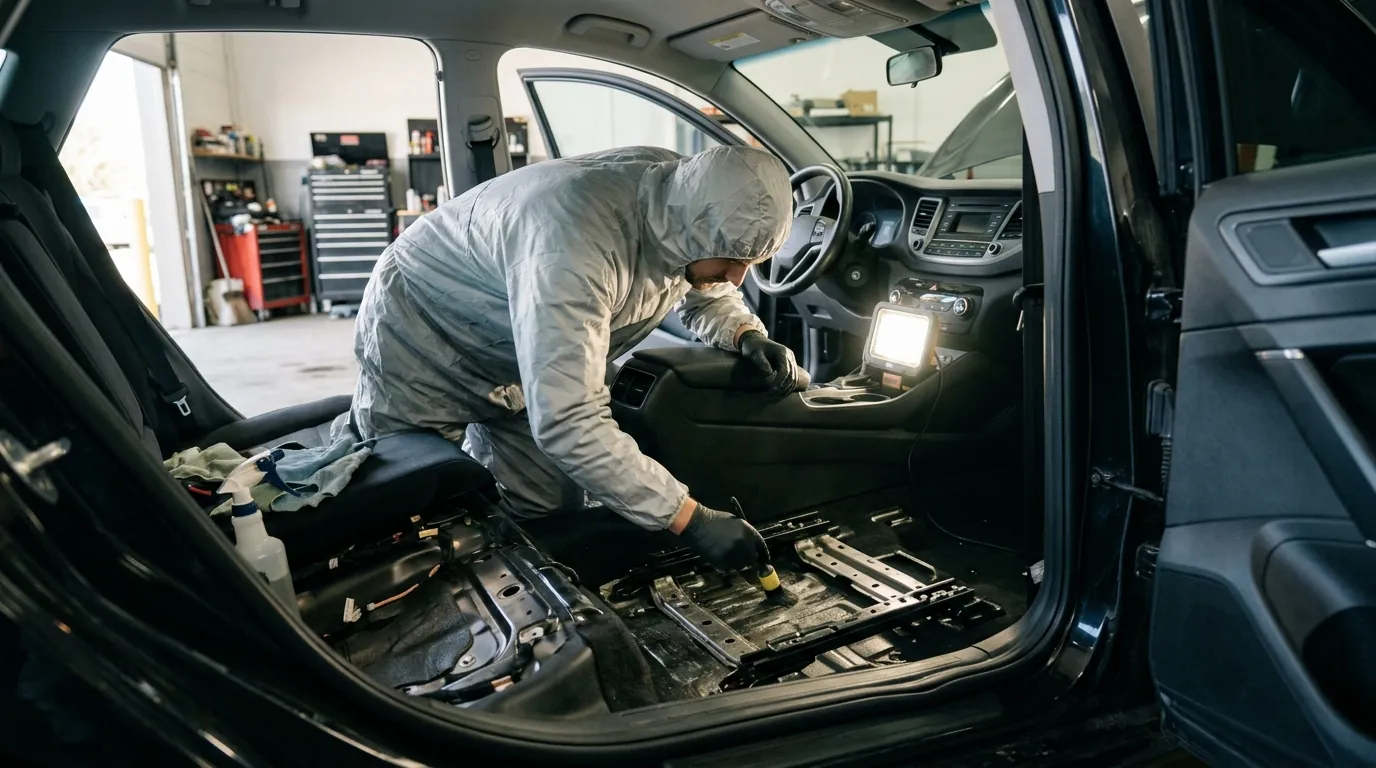
We treat a vehicle the way we treat any biohazard scene: protective gear, removal of what cannot be cleaned, then cleaning and disinfection of everything that can. Seats, panels and carpet come out where fluids got underneath, soaked foam and padding are bagged as biomedical waste, and hard surfaces and the floor pan are cleaned and disinfected before anything goes back in.
Signs a vehicle needs biohazard cleanup
Blood or fluids on seats or carpet
They soak into foam and padding beneath the surface.
An odor that detailing did not remove
The source is still in the seat, carpet or floor.
Stains reappearing after cleaning
Fluid underneath is wicking back up.
Fluids in seat belts or gaps
Retractors, rails and seams need dismantling to reach.
A death in the vehicle
Decomposition reaches deep into foam and the floor.
Step by step
How vehicle biohazard cleanup works
- 1
You call, any hour
Tell us what happened and where the vehicle is.
- 2
We confirm it has been released
Police or the insurer finish with it first.
- 3
We remove what cannot be saved
Soaked foam, carpet and padding bagged as biomedical waste.
- 4
We clean and disinfect
Frame, floor pan and every surface disinfected for blood.
- 5
We treat odor and document
Odor treated at the source, with photos for insurance.
After a death or injury in a car
When someone has died or been seriously hurt in a car, families and owners face a vehicle they cannot simply drive or sell. Once police or the insurer have released it, we come to where it is parked or stored, remove soaked seat covers, foam, carpet and padding, clean and disinfect the frame, floor pan and every hard surface, and treat the odor. Whether the vehicle will be repaired, sold or returned to a lender, it leaves us clean, disinfected and documented with photos.
Work, fleet and rideshare vehicles
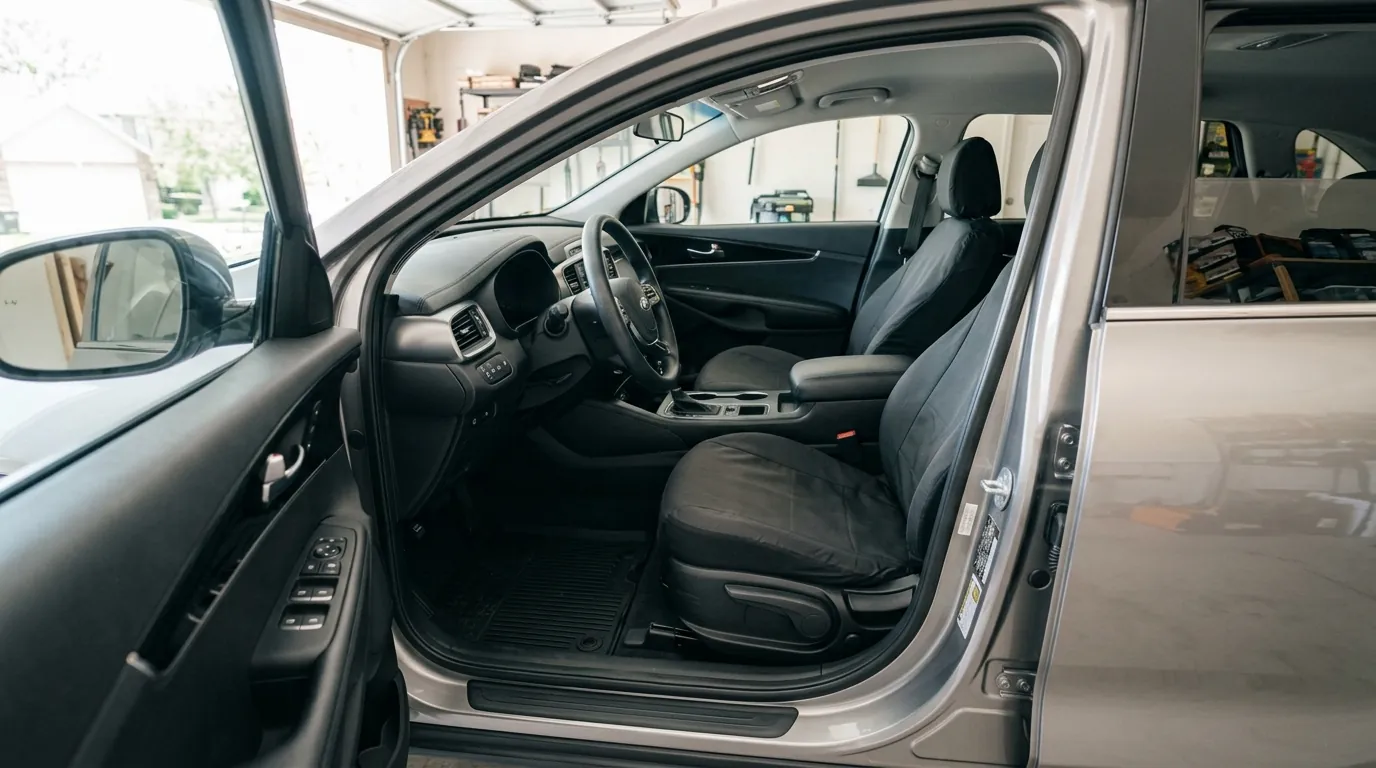
Work trucks after an injury, transport vans, buses and rideshare cars after a passenger was ill all need to be back in service quickly. We clean and disinfect the affected area, remove what cannot be saved, and treat the seats, rails, belts and controls that drivers and passengers touch. For fleets, we can work in your yard after hours so the vehicle is ready for the next shift, and we give your safety manager a written record of the work for their files.
Seats, carpet and hidden areas
The places that matter most in a vehicle are the ones you cannot see: under the seats and seat rails, inside seat belt retractors, under the carpet and its padding, behind trim panels and in the spare tire well. We remove seats and panels where fluids reached them, clean and disinfect the frame and floor, and reinstall components once they are clean and dry, or point out parts that need replacing. That is what keeps the odor from returning and the vehicle from staying contaminated.
If a crime happened in the vehicle
When a death or injury in a vehicle was the result of a crime in Connecticut, the Judicial Branch Office of Victim Services compensation program lists crime scene clean-up of up to $1,000, payable to the person who paid for it, for costs insurance does not cover. Auto insurance usually comes first. We photograph the vehicle before and after and provide an itemized scope, so the insurer and the program both have what they need to review the cost.
How long vehicle cleanup takes
A small spill on a seat or floor mat is often finished the same day. When seats, carpet or panels have to come out, the work takes longer and odor treatment needs time to work, so we give you a time estimate once we have seen the vehicle and where the fluids went.
What changes the cost of vehicle cleanup
Cost depends on how far fluids spread inside the vehicle and what has to be removed.
- Amount and spreadOne seat or the whole cabin.
- Parts to removeSeat foam, carpet, padding and panels.
- Time since the eventOlder contamination needs more odor work.
- Vehicle typeCars, trucks, vans and buses differ.
- LocationAt your home, a lot, a tow yard or a fleet yard.
Vehicle biohazard cleanup questions
Yes. We remove what decomposition or fluids reached, clean and disinfect the vehicle, and treat the odor at its source.
Yes. We work where the vehicle is, at a home, a lot, a tow yard or a fleet yard, as long as we have space and permission.
Usually not. The odor comes from fluid in the foam, carpet and floor, which has to be removed first.
Many comprehensive policies do. We provide photos and an itemized scope for your adjuster.
Yes. We can work in your yard overnight so the vehicle is ready for the next shift.
Yes, once fluids are removed, surfaces are disinfected and the odor is gone. Any damaged parts that need replacing are pointed out to you.
More biohazard cleanup in Bridgeport
Vehicle needs cleaning after an incident?
Tell us what happened and where the vehicle is. We will tell you what happens next.