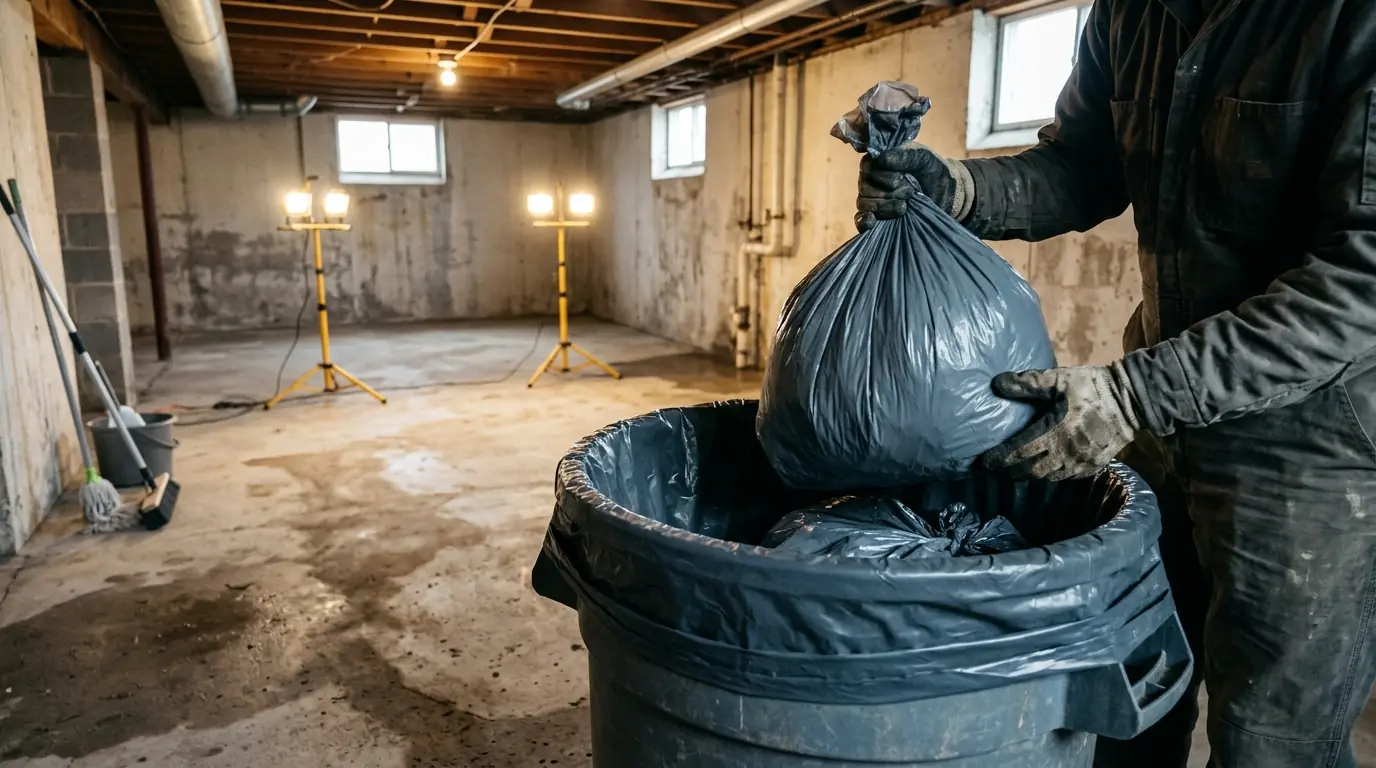
Blood and bodily fluid cleanup in Bridgeport means absorbing and removing the fluid, cutting out anything porous it soaked, then disinfecting the surface with an EPA-registered product labeled for HIV and hepatitis B, a tuberculocidal disinfectant or bleach diluted 1:10 to 1:100, as OSHA accepts.
Soaked items leave as biomedical waste.
Why blood and body fluids need more than a wipe
Blood and other body fluids can carry bloodborne pathogens such as hepatitis B, hepatitis C and HIV, and the risk falls on whoever cleans them up. A paper towel and household spray remove what you can see, but blood keeps going: into carpet pad and fabric, between floor tiles and boards, under baseboards and into the cracks of furniture. What is left there can smell, stain back through and stay infectious.
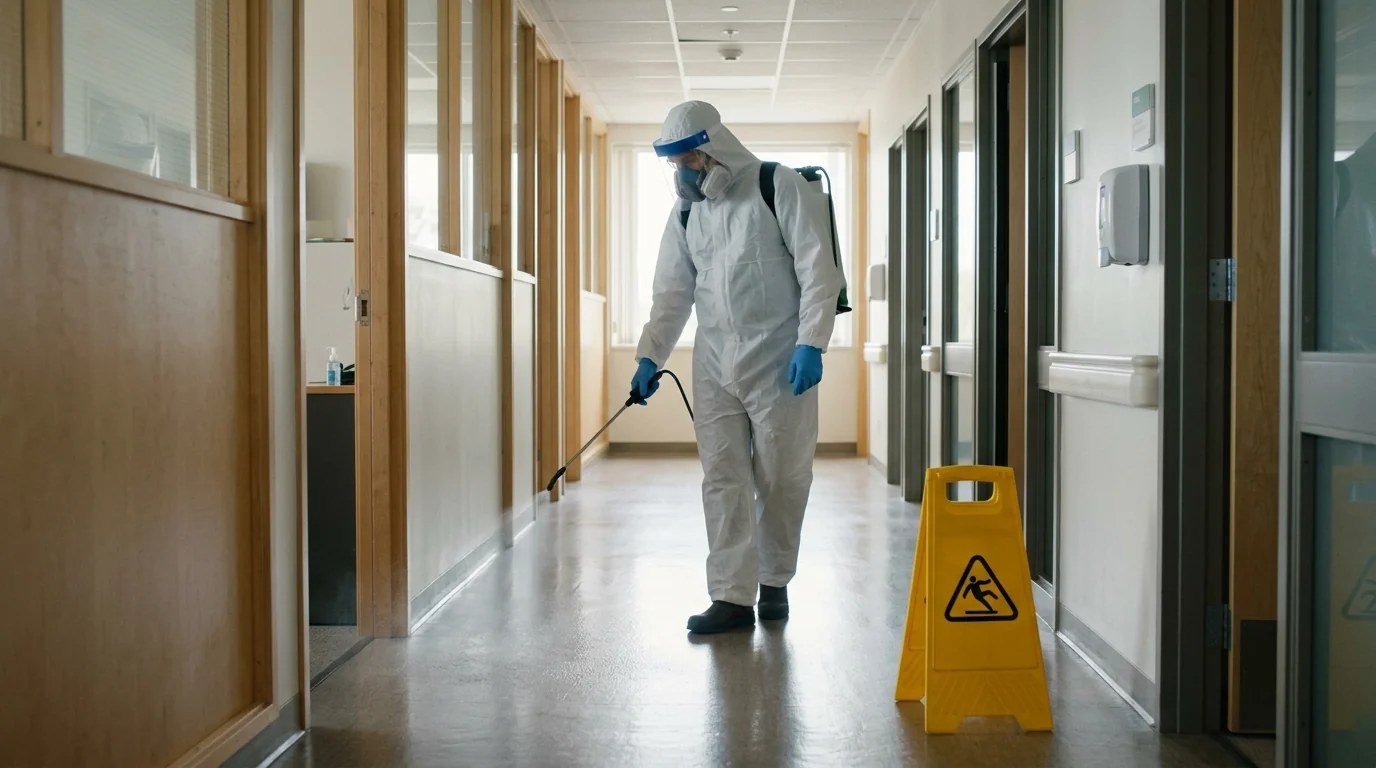
Proper cleanup is a sequence: gloves, eye protection and suits, absorbing and removing the bulk of the fluid, cutting out porous materials it soaked, cleaning the surface, and only then disinfecting with a product OSHA accepts, kept wet for its full contact time. Vomit, urine and feces are handled the same careful way, because they carry their own germs.
Signs the cleanup needs a professional
Blood soaked into carpet, fabric or wood
Porous materials usually have to be removed, not cleaned.
More than a small spot
Larger spills spread further than they look, including under baseboards.
Stains coming back after cleaning
Blood underneath is wicking back up to the surface.
A workplace or public space
Employers have OSHA bloodborne pathogen duties for staff who clean up blood.
Someone with a known infection
Protective gear and the choice of disinfectant matter even more.
Step by step
How blood and bodily fluid cleanup works
- 1
You call, any hour
Tell us what happened and where the fluid is.
- 2
We close off the area
Protective gear on and the space marked off.
- 3
We remove the fluid and soaked materials
Absorbed, wiped up and bagged as biomedical waste.
- 4
We clean and disinfect
Surfaces cleaned first, then disinfected for bloodborne pathogens.
- 5
We check and document
Odor treated, the area inspected and the work recorded.
Injuries and medical events at home
Falls, cuts, nosebleeds that would not stop, a medical emergency before the ambulance arrived: these leave blood on floors, rugs, bedding, furniture and sometimes stairs and walls. We clean and disinfect hard surfaces, remove and package soaked rugs, carpet pad and fabrics that cannot be saved, and check under and around furniture where blood often runs unseen. If the person is in hospital, the home can be cleaned before they return, so nobody in the family has to face it first.
Workplaces and public spaces
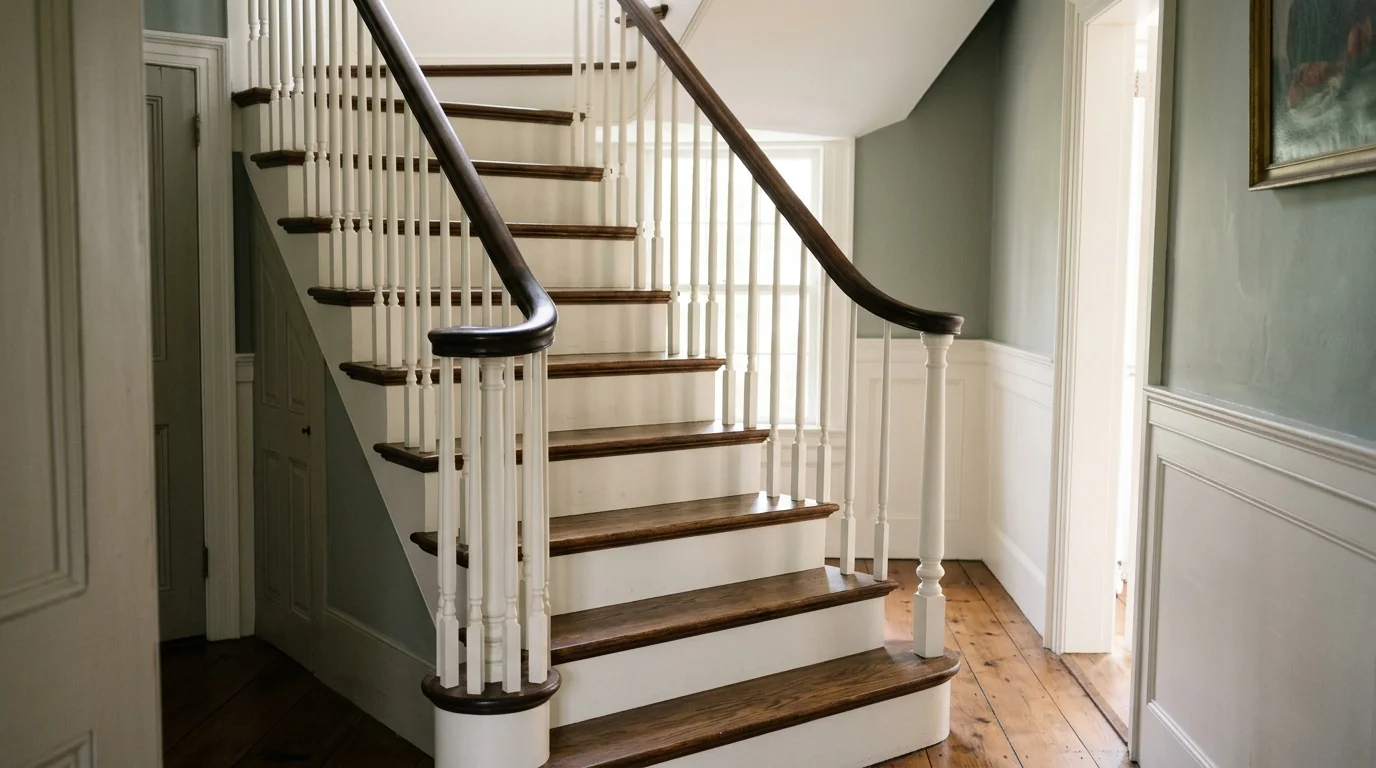
Injuries on a job site, an incident in a store, a medical event in a lobby or blood in a restroom all need to be handled quickly so staff and customers are safe. We close off the area, clean and disinfect floors, fixtures and equipment, and package the waste properly, so your staff are not exposed. OSHA's bloodborne pathogens standard sets duties for employers whose staff may contact blood, and calling us for larger incidents keeps your team out of that exposure. We can work after hours to keep the business open.
Vomit, urine and feces
Body fluids other than blood come up in restrooms, care settings, vehicles and homes, after an illness, an accident or a person in crisis. They can carry norovirus and other germs, and they soak into grout, carpet and upholstery just like blood. We remove the waste, clean the area and disinfect with a product suited to the germs involved, using bleach at CDC strength or a norovirus-registered product after vomiting or diarrhea. Odor is treated at the source once the area is clean.
What OSHA accepts for blood cleanup
OSHA's bloodborne pathogens standard, which applies to Connecticut workplaces, requires surfaces contaminated with blood to be decontaminated with an appropriate disinfectant. OSHA treats EPA-registered tuberculocidal disinfectants, EPA-registered products labeled effective against both HIV and hepatitis B, and household bleach diluted between 1:10 and 1:100 as appropriate, once the blood itself has been wiped up. We follow that standard on every blood cleanup around Bridgeport, at home or at work.
What changes the cost of blood cleanup
Cost depends on how much fluid there is, where it went and what has to be removed.
- Amount and spreadA small spot or a large area across rooms.
- Surfaces involvedHard floors clean up; carpet and fabric usually come out.
- Biomedical wasteThe volume packaged for the permitted transporter.
- LocationHomes, vehicles and commercial spaces set up differently.
- TimingAfter-hours work to keep a business open.
What blood and bodily fluid cleanup includes
The size of the spill changes. The safety steps do not.
- Area closed off and marked
- Gloves, eye protection and protective suits
- Fluid absorbed and removed
- Soaked porous materials cut out and bagged
- Surfaces cleaned before disinfecting
- A disinfectant OSHA accepts for blood, at full contact time
- Waste packaged for a permitted transporter
- Odor treated and a written record of the work
Blood and bodily fluid cleanup questions
A small spot on a hard surface can be cleaned with gloves and a disinfectant OSHA accepts. Anything soaked into fabric or carpet, or a larger spill, is safer left to us.
An EPA-registered product labeled for HIV and hepatitis B, a tuberculocidal disinfectant, or bleach diluted 1:10 to 1:100, kept wet for its contact time.
The pad underneath usually cannot, and often the carpet section has to go too. We tell you what can be saved before we remove anything.
Yes, with the same protective steps, and with norovirus-strength products after vomiting or diarrhea.
Yes. We close off the area and can work after hours so the business stays open.
Soaked materials are packed as biomedical waste and handed to a DEEP-permitted transporter.
More biohazard cleanup in Bridgeport
Blood or body fluids to clean up?
Tell us where it is and how much there is. We will tell you what to avoid until we get there.