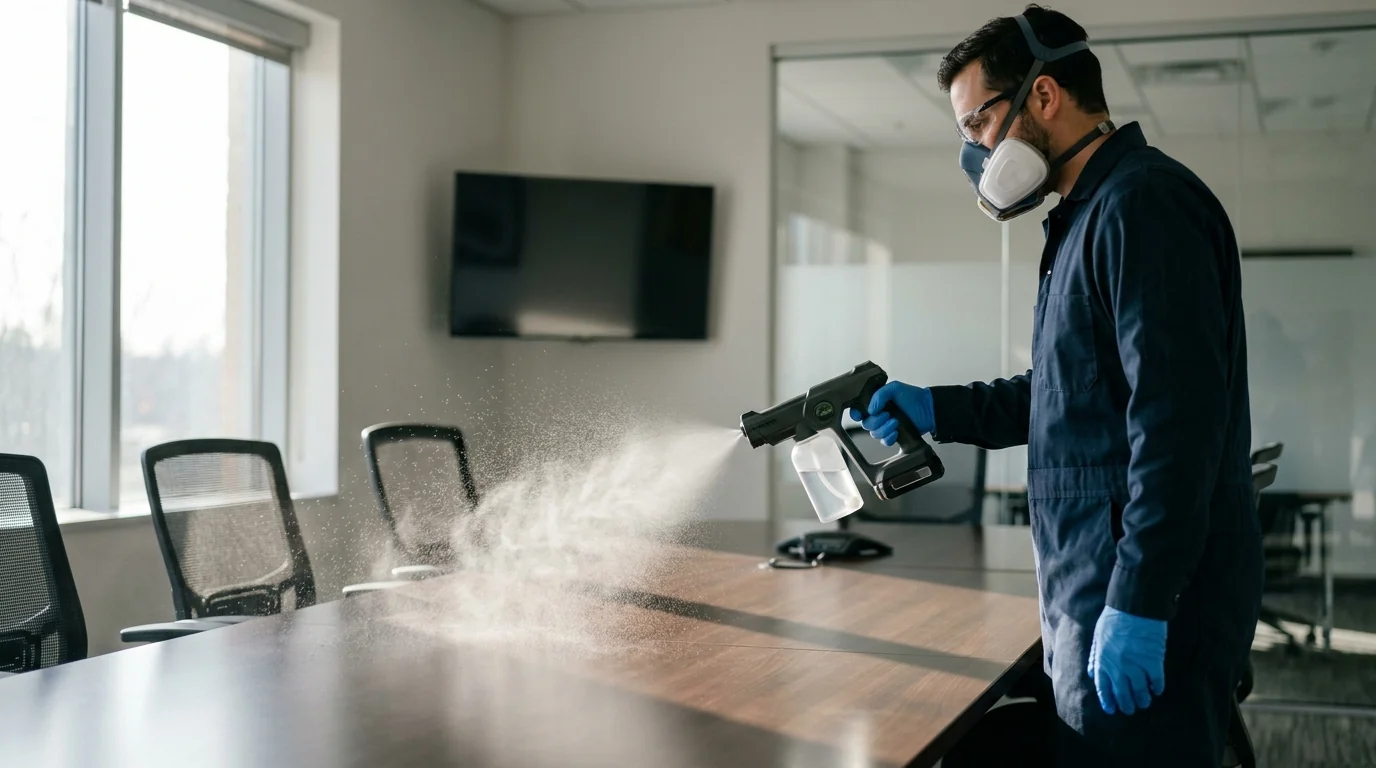
Outbreak disinfection in Bridgeport means cleaning soiled areas first, then using a product registered against the germ involved, such as bleach at 1,000 to 5,000 ppm for norovirus per CDC guidance, and keeping surfaces wet for the full contact time.
We answer around the clock and come once the space can be cleared of people.
Why outbreak cleanup is different from routine cleaning
Routine cleaning removes dirt. After an outbreak the job is to stop the next person getting sick, and that depends on three things: which germ, which surfaces, and how long the product stays wet. Norovirus is the hard case. CDC guidance calls for a chlorine bleach solution at 1,000 to 5,000 parts per million, or a product registered against norovirus, because many everyday disinfectants do not list it.
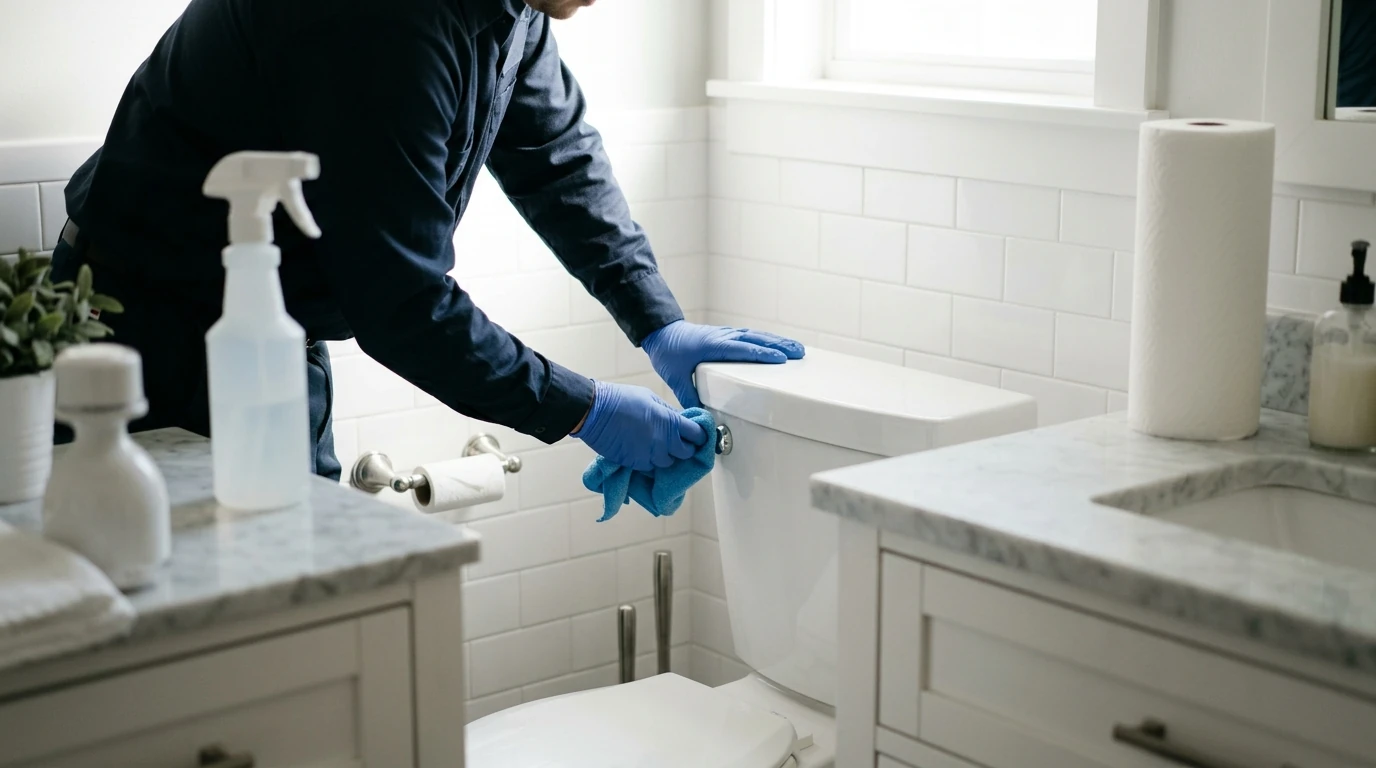
We start where the illness was worst, usually the bathroom and the room where someone was sick, then work outward through the touch points everyone shares: door hardware, light switches, faucets, flush handles, remotes, keyboards and railings. Soft items that cannot be disinfected are set aside for laundering.
Signs the whole space needs treating, not one room
More than one person sick within two days
Illness moving between people points to shared surfaces, not just the first sickroom.
Vomiting outside a bathroom
A hallway, bedroom carpet or classroom floor spreads norovirus beyond the spot itself.
A shared bathroom or kitchen
In two-family and three-family houses, one shared space can reach every household in the building.
Someone at higher risk lives there
Infants, older adults and anyone with a weak immune system.
The illness came back
Recurring cases usually mean a surface was missed or a product dried too soon.
Step by step
How an outbreak disinfection runs
- 1
You call and tell us what happened
Which illness, if you know it, how many people, which rooms and whether anyone is still sick at home.
- 2
We clear the worst areas first
Soiled material is lifted with disposable towels and bagged before anything is wiped.
- 3
We clean every affected surface
Detergent and water first, because soil and organic matter block disinfectants.
- 4
We disinfect for the germ involved
Bleach at the CDC strength for norovirus, or a registered product for the germ, kept wet for its full contact time.
- 5
We treat shared touch points and report back
Door hardware, switches, faucets and controls throughout, then a walk-through of what was done and what to launder.
Norovirus and stomach bugs
Norovirus is the reason most families call. It spreads through vomit and diarrhea, and a cleanup with an ordinary spray often misses it. We absorb and bag the visible material, clean the area and a generous margin around it with detergent, then apply bleach at the strength CDC recommends, or a product registered against norovirus where bleach would damage the surface. Public health guidance calls for at least five minutes of wet contact with bleach. Surfaces that touch food or mouths are rinsed with plain water afterward.
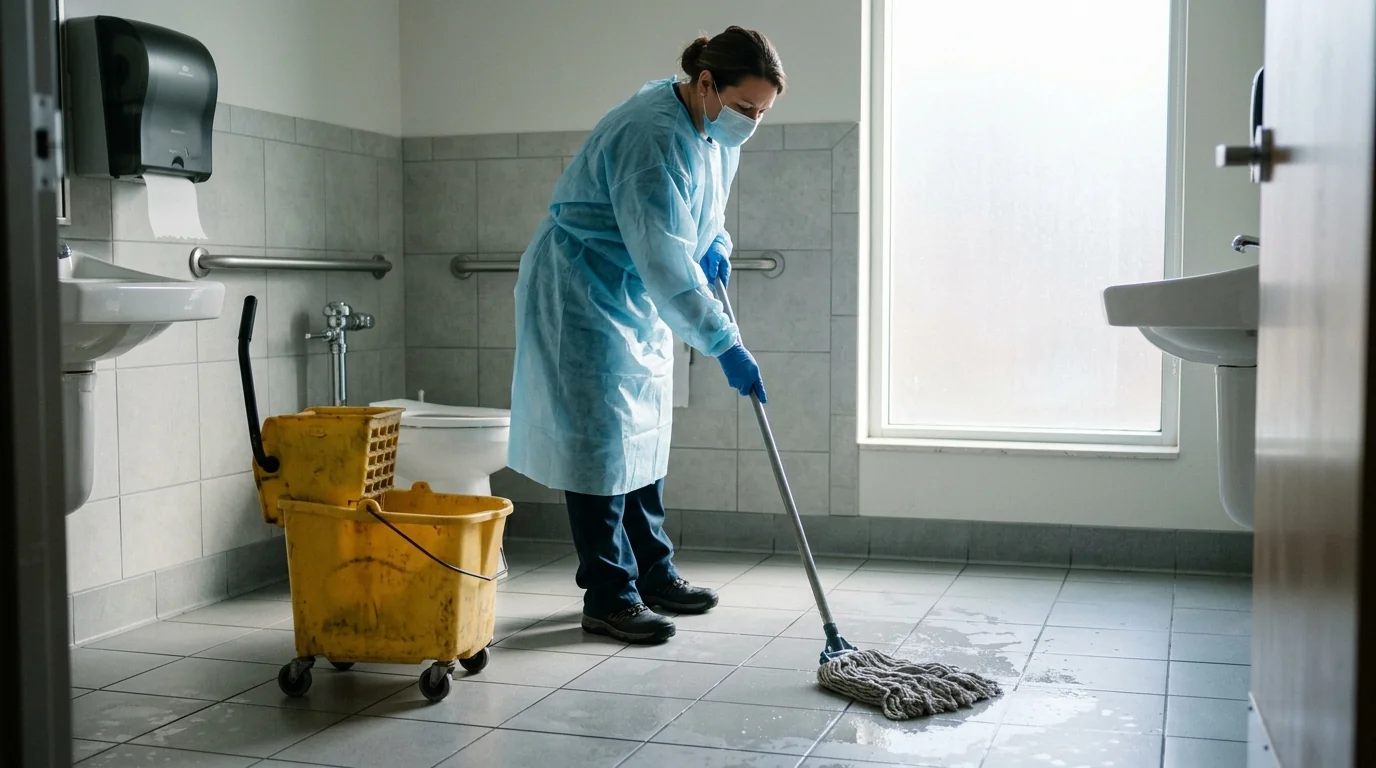
Flu, COVID-19 and RSV
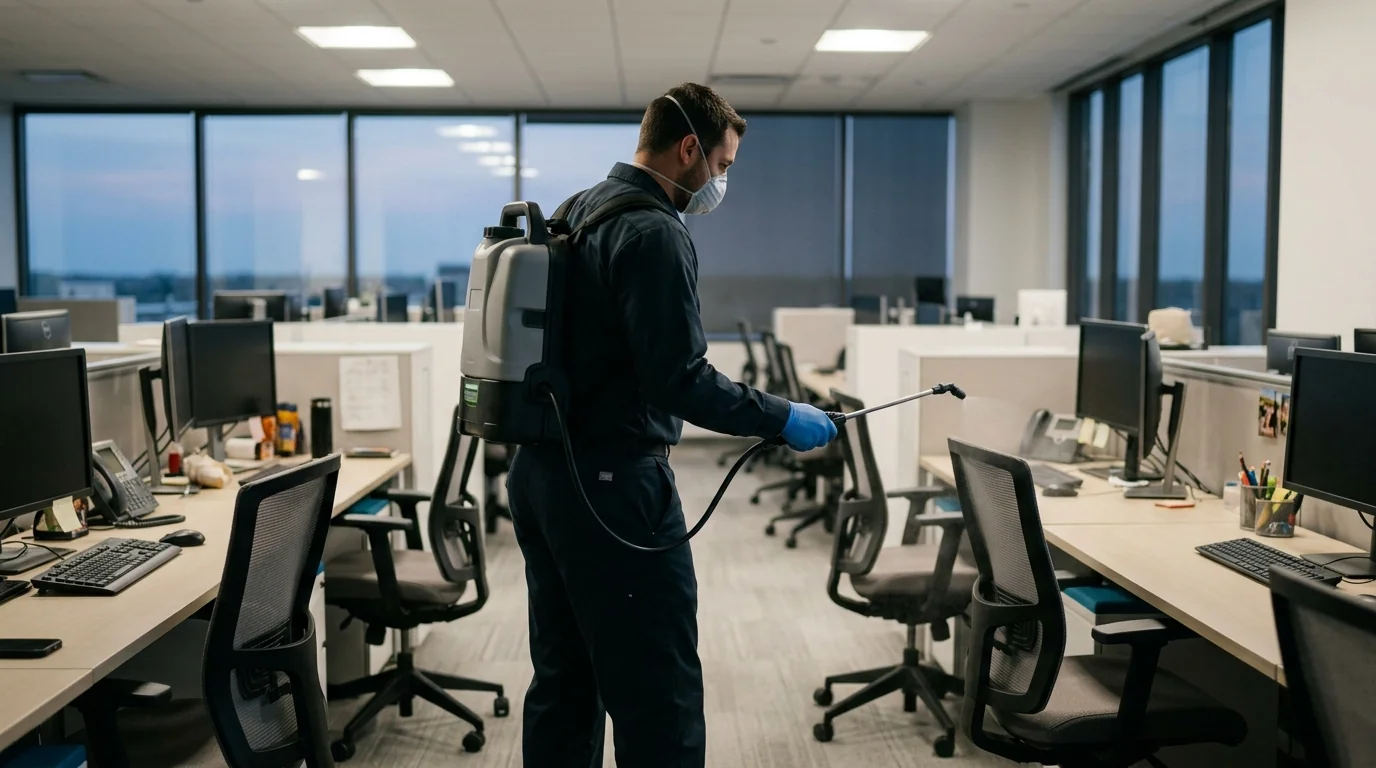
Respiratory viruses are easier to kill on surfaces than norovirus, and many more products are registered against them. The work is still precise: the right product for the surface, applied after cleaning, and left wet for the contact time printed on the label. In offices and classrooms we often add electrostatic spraying for desks and chair backs, then hand-wipe keyboards, phones and remotes. Connecticut's public health department treats October through May as respiratory virus season, so most of these calls arrive in those months.
MRSA and staph
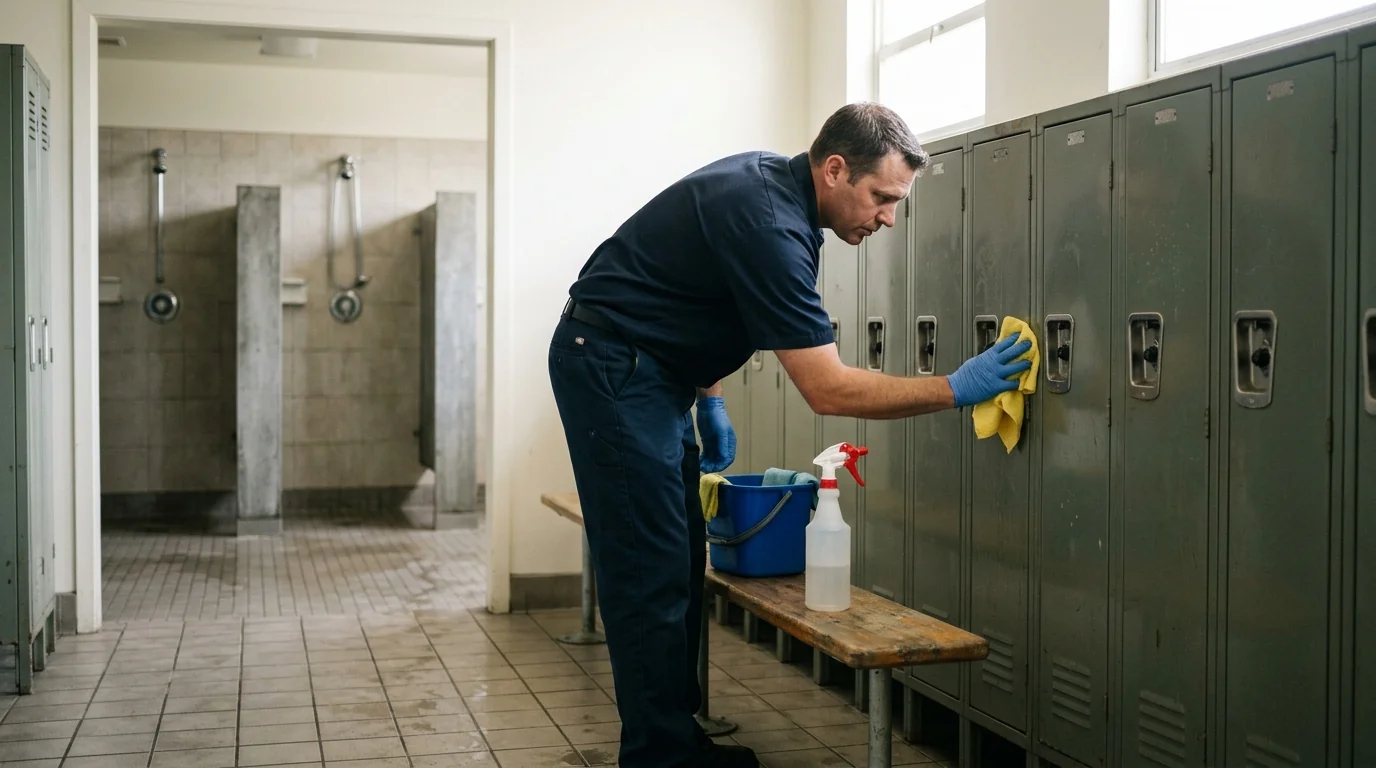
MRSA and other staph infections spread through skin contact and shared items, so these calls come from gyms, locker rooms, sports teams and homes where someone has a wound infection. We focus on benches, mats, equipment grips, shower handles, faucets and towel hooks, using a product whose label lists MRSA or Staphylococcus aureus. Foam mats with torn covers cannot be disinfected reliably, so we point those out for replacement. Laundry and personal items stay with the household or the facility, and we explain what needs a hot wash.
Shared buildings make outbreaks spread faster in Bridgeport
Two thirds of Bridgeport housing units sit in multifamily buildings, in a county where most homes are single-family. In a two-family or three-family house, one stomach bug can reach every apartment through a shared entry, laundry room or stair rail, so we treat those common touch points along with the sick household. The timing follows the state calendar too: Connecticut public health officials treat October 1 to May 31 as respiratory virus season, which is when most of our outbreak calls come in.
How long the space is out of use
Plan for the rooms to be empty while we work and until the label says it is safe to return. Cleaning takes most of the time, and the disinfectant needs its contact time on top of that: at least five minutes per surface for bleach on norovirus. A one-bathroom apartment is a short visit; a whole house or an office floor takes longer, and we give you an estimate on the phone.
What changes the price of outbreak disinfection
Price depends on the size of the space and how far the illness spread. For larger commercial spaces, industry pricing for electrostatic disinfection gives a planning range.
- Square footageA one-bathroom apartment and an office floor are very different jobs.
- How far it spreadOne sickroom costs less than a whole house or several classrooms.
- The germ involvedNorovirus needs bleach-strength products and more careful cleanup.
- Soiled materialVomit or diarrhea on carpet or upholstery adds cleanup time.
- TimingNight and weekend visits keep your building open by day.
Industry-wide pricing for electrostatic disinfection runs about $0.10 to $0.30 per square foot (ISSA), most relevant to offices, classrooms and other open floors.
Planning range only, not a quote. Source: issa.com (industry-wide data).
Outbreak disinfection questions
Yes. The phone is answered 24 hours a day, 7 days a week, and outbreak calls are scheduled as soon as the space can be emptied.
Not always. CDC guidance calls for bleach at 1,000 to 5,000 ppm or a product registered as effective against norovirus, and we check the label for norovirus before using anything.
Yes, for the rooms being treated and until the product label says it is safe to return. We tell you that time before we start.
Not the way hard surfaces can be. We remove the material, clean the area and use a carpet-labeled product where one suits it.
Yes, usually after hours.
Keep people out of the affected rooms and do not vacuum or sweep anything soiled.
More disinfection in Bridgeport
Someone is sick right now? Call us
Tell us what the illness is, how many people are affected and which rooms. We will tell you what to do until we arrive.