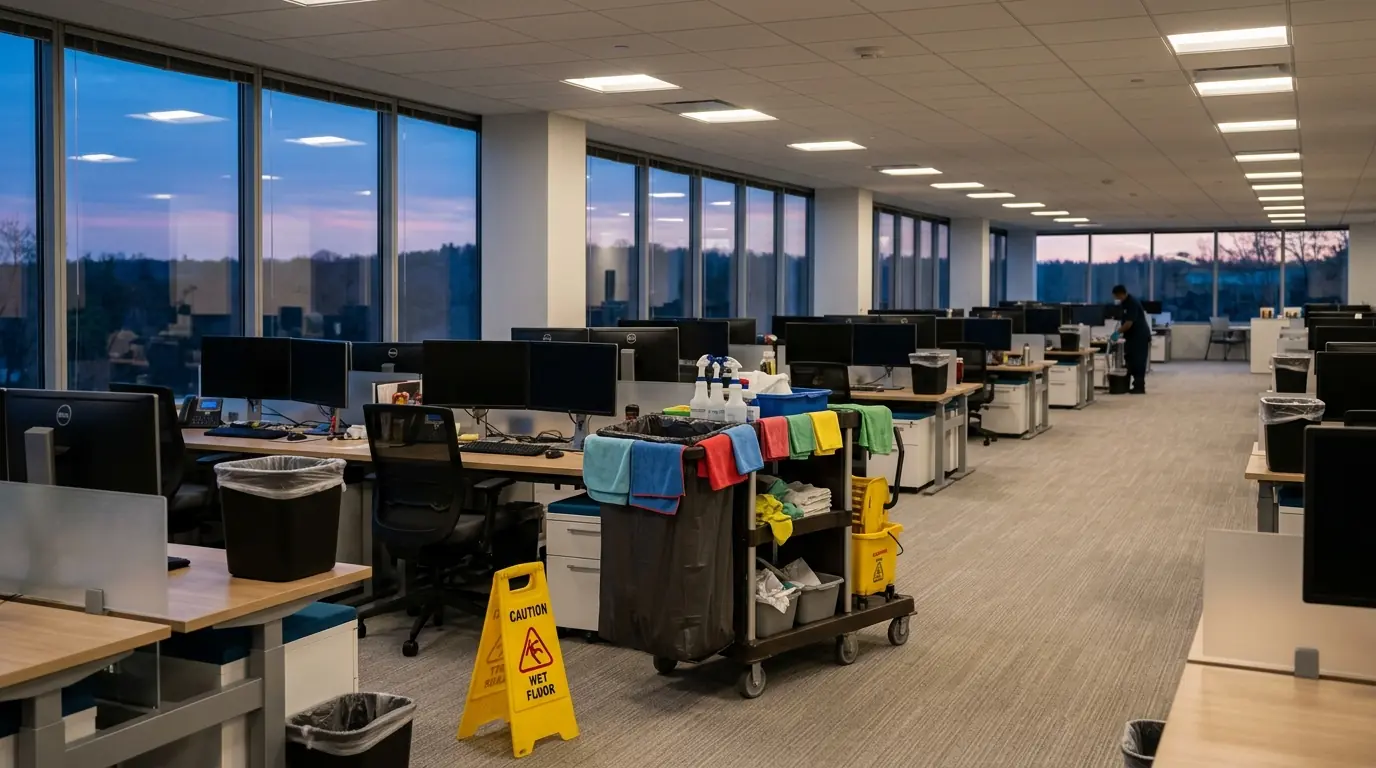
- Busy offices and anything with a public lobby or shared restrooms usually need nightly cleaning.
- Small or hybrid teams often do well with two or three nights a week, scheduled for the days people are in.
- Restrooms and kitchens set the pace; open desk areas can usually go longer between cleans.
- In Connecticut's respiratory virus season, October through May, shared touch points need more attention than the rest of the office.
What actually decides how often
Square footage matters less than people do. Every person adds trash, restroom visits, kitchen use, fingerprints and tracked-in dirt, so headcount and how many days people are in drive the schedule. Visitors matter too: a lobby or reception area that clients walk through needs to look right every morning, and a restroom used by the public needs more than a weekly clean.
The type of work counts as well. A quiet design studio is not a medical practice or a call center, and an office with a busy kitchen is not one where everyone brings lunch from outside.
Three common schedules
| Suits | What gets done | Watch for | |
|---|---|---|---|
| Nightly | Busy offices, public lobbies, clinics | Trash, restrooms, kitchen and floors every night; detail work rotates | Paying for nights nobody was in |
| Two or three nights | Small teams, light visitor traffic | Full clean on each visit, aimed at the busiest days | Restrooms between visits |
| Weekly | Quiet suites, very small teams | A thorough weekly clean | Kitchen trash and shared restrooms |
Many offices mix them: restrooms, kitchen and trash on most nights, with dusting, glass and detail work rotating through the week so nothing goes untouched for long. Industry pricing for general office cleaning runs about $0.09 to $0.17 per square foot, so frequency is the biggest lever on the monthly cost.
Restrooms and kitchens set the pace
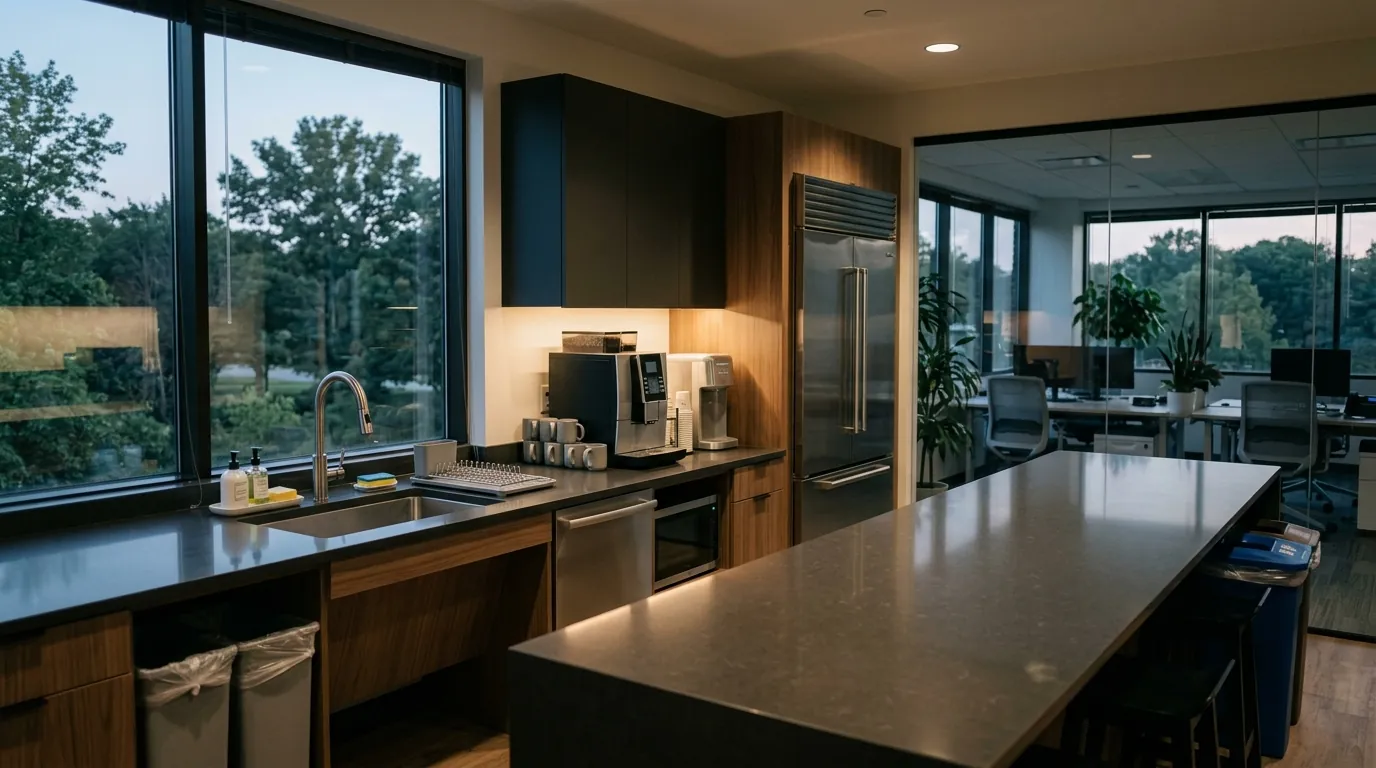
If one part of the office decides the schedule, it is the restrooms. Even a small team uses them every day, and a restroom cleaned only once a week will be noticed long before the desks are. The kitchen is close behind: the microwave, refrigerator handle, coffee maker and sink collect spills and germs every day.
A practical rule: if restrooms and the kitchen are used every day, they need cleaning on most days people are in, even if the rest of the office is done less often. Where nightly service is more than you need, a day porter for a short midday shift can keep restrooms stocked and the kitchen wiped between full cleans.
Hybrid offices and changing occupancy
Many offices are no longer full five days a week. Fairfield County has about 38 million square feet of office space, and roughly a quarter of it stood available at the end of 2025, while plenty of occupied space runs on hybrid schedules. For a hybrid office, a flat nightly contract often pays for cleaning on days nobody was in.
The better approach is to clean after the busiest days. If most people come in Tuesday to Thursday, cleaning on Tuesday and Thursday nights, with restrooms checked on the other days if anyone uses them, usually covers it for less.
Flu season changes the plan
Connecticut's Department of Public Health treats October 1 through May 31 as the respiratory virus season, when flu, COVID-19 and RSV circulate. That is when shared touch points earn extra attention: door handles, light switches, elevator buttons, shared keyboards and phones, conference tables, the coffee maker and the refrigerator handle.
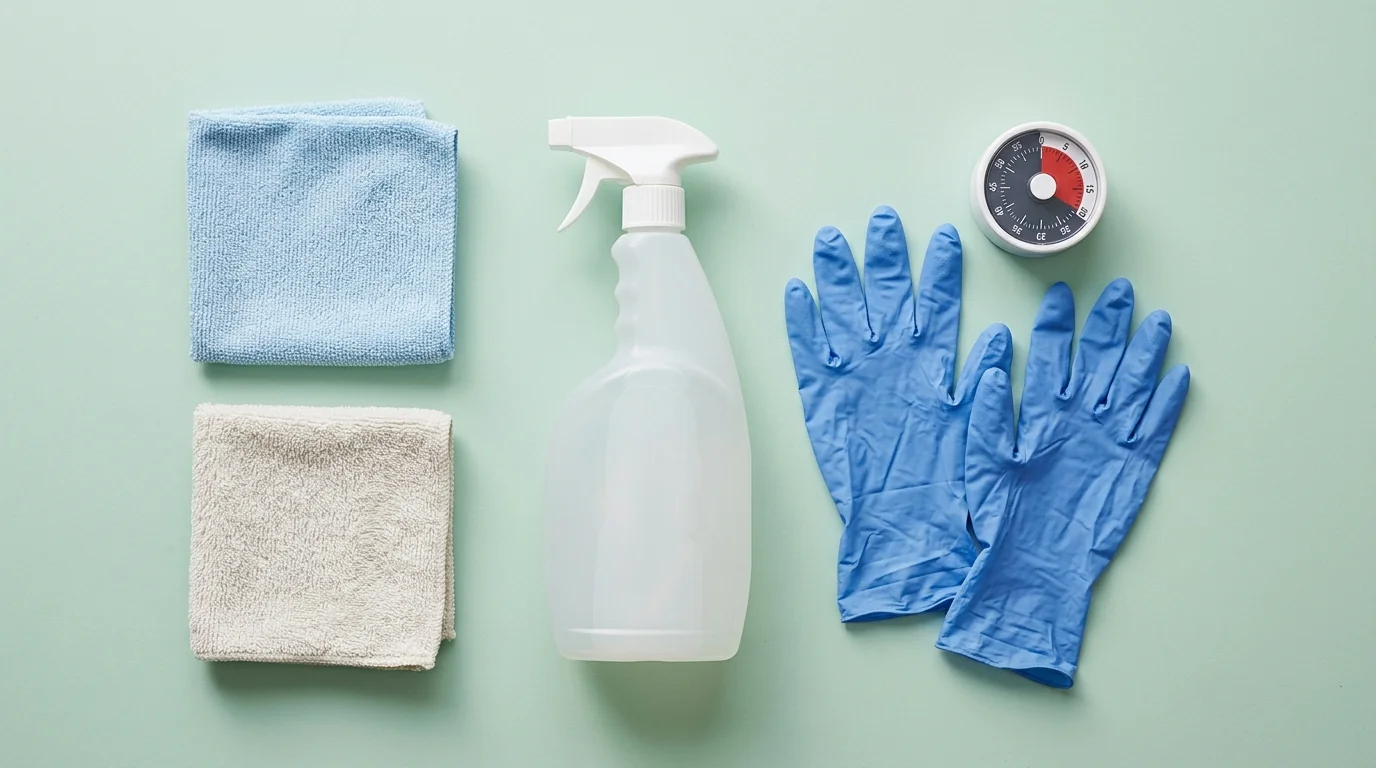
Many offices add touch-point disinfection to every visit through those months, using a product registered for the viruses involved and left wet for its contact time. It is a small addition to the routine, and it targets the surfaces that actually pass germs between people.
Signs the current schedule is not enough
- Restroom complaints, or supplies running out between visits.
- Trash or recycling overflowing before the next clean.
- A kitchen that smells by midweek.
- Dust visible on desks, sills and vents.
- Salt and grit spreading from the entry in winter.
- Several people out sick at the same time.
When to call us. We set up nightly, a few nights a week or weekly office cleaning, add day porters where traffic calls for it, and add touch-point disinfection through flu season.
Sources
- Connecticut DPH: Respiratory viral disease season memo
- Lincoln Property Company: Fairfield County Office Market Report Q4 2025
- ISSA: Commercial cleaning rates per square foot
- EPA: Selected EPA-registered disinfectants
About the author. Viola Nash is the Cleaning and Disinfection Guides Editor at IMD Disinfecting Services. Every guide is checked against current CDC, EPA and Connecticut public health guidance and against the way our crews do the work, and updated when that guidance changes.