- Keep children, older relatives and pets out of the area until it is cleaned and dried.
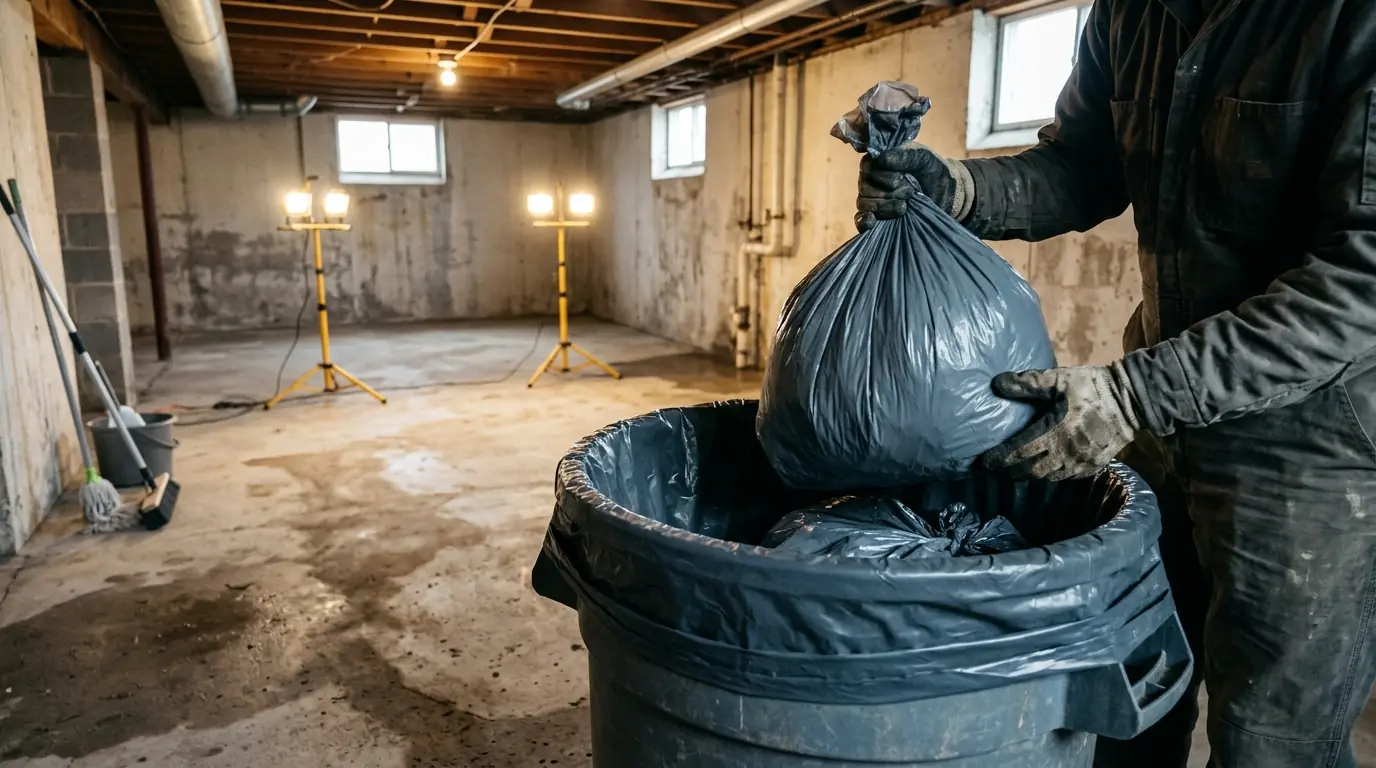
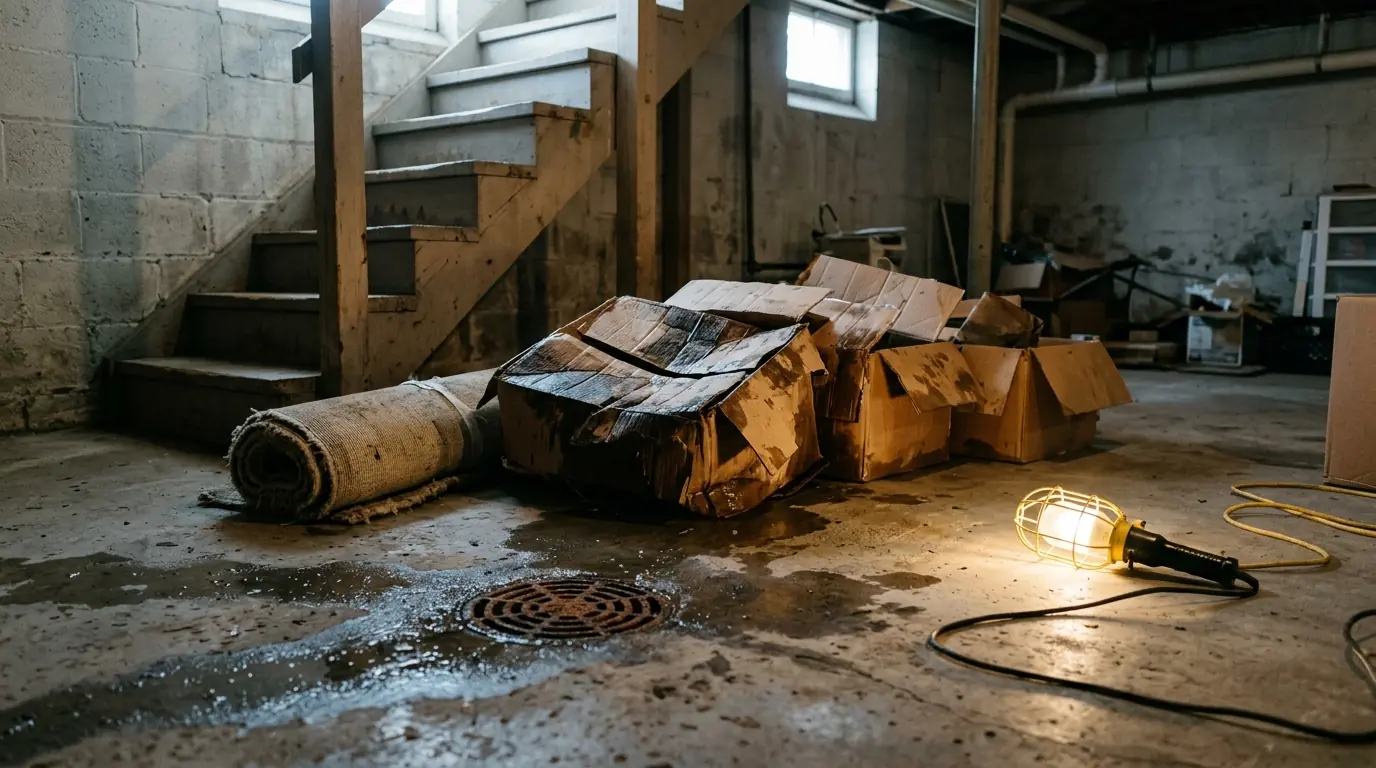
- Porous items sewage soaked, such as carpet, cardboard, wallboard and upholstery, should be discarded.
- Carpet must be thrown away after a sewage backup, according to Connecticut DPH.
- Photograph everything you discard before it leaves the house, for insurance.
The first steps
Connecticut's Department of Public Health notes that the risk of illness rises the longer sewage stays in contact with a building, so speed matters. Stop using sinks, toilets, the washer and anything else that drains into the line, because every gallon adds to the backup. Call a plumber or your town's sewer department about the cause.
Keep everyone out of the affected area, especially children, older relatives and pets. If water is near outlets or appliances, do not walk through it until the power to that area is off.
- Stop using every fixture that drains into the line.
- Keep people and pets out of the area.
- Turn off power to the area if water is near outlets, without standing in it.
- Photograph the damage before anything is moved.
What to throw away
The health department's guidance is to discard porous materials that sewage has soaked, because they absorb contaminated water and cannot be reliably disinfected. It names carpet specifically: carpet must be discarded after a sewage backup, along with its padding.
- Carpet, carpet padding and rugs.
- Cardboard boxes and the paper items stored in them.
- Wallboard and insulation that sewage soaked or wicked into.
- Upholstered furniture and mattresses.
- Unfinished wood, such as raw shelving or pallets.
- Stuffed toys, pillows and foam items.
What can usually be cleaned and kept
Hard, non-porous items generally survive a sewage backup if they are cleaned and then disinfected: metal, glass, ceramic, hard plastic, sealed tile and concrete. Wash them with detergent and water first, then apply a disinfectant and leave it wet for its label contact time. Federal flood guidance from EPA follows the same split between porous items that go and hard items that can be cleaned.
Clothing and washable fabrics that sewage touched can sometimes be saved with a hot wash, but anything heavily soaked, or anything you are unsure about, is safer thrown away.
Protecting yourself during the cleanup
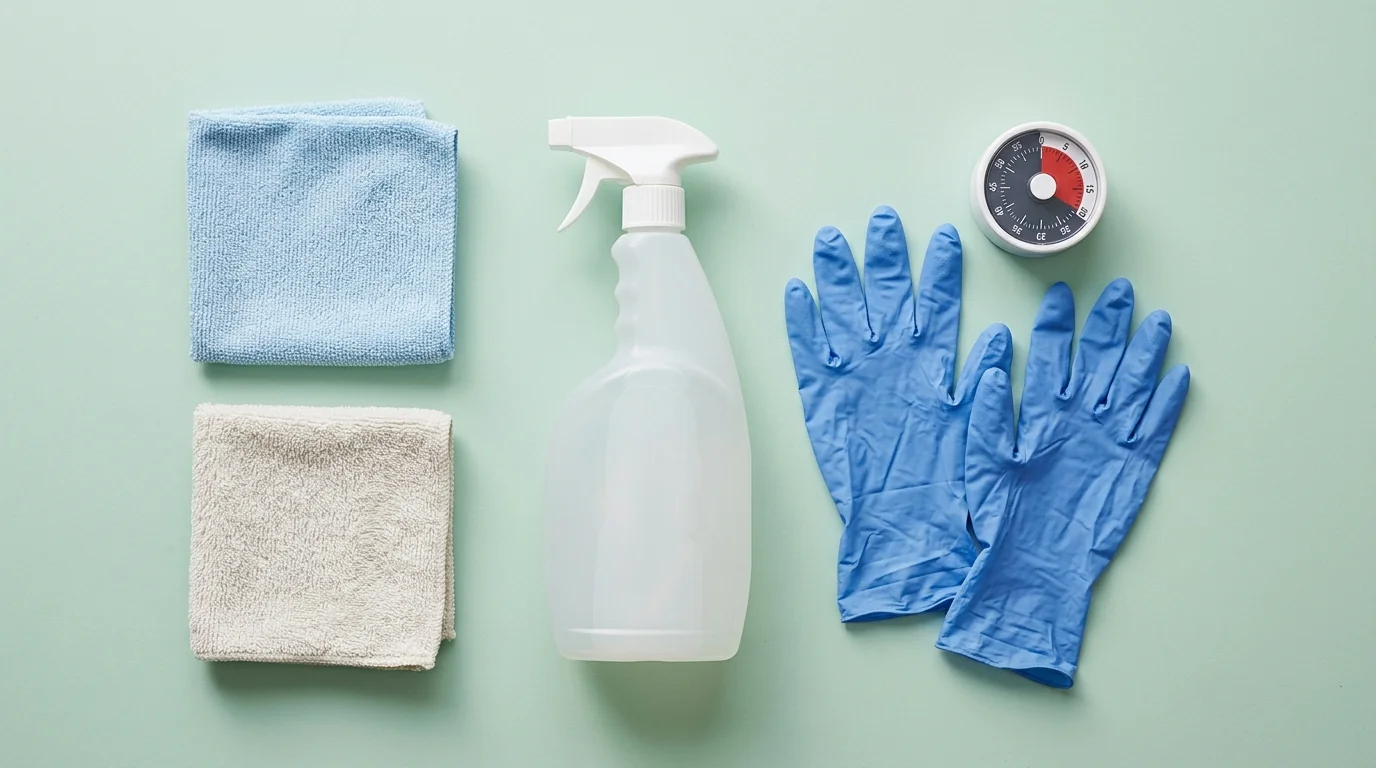
If you handle any part of the cleanup yourself, treat everything sewage touched as contaminated. Wear rubber boots, waterproof gloves and eye protection, and a mask rated N95 or better if you are pulling out wet drywall or insulation. Keep cuts and scrapes covered, and do not eat, drink or smoke in the area.
When you finish, take boots and gloves off before going upstairs, wash the clothes you wore in hot water and detergent separately from other laundry, and wash your hands well with soap and water. Anyone who develops stomach symptoms or an infected cut afterward should call their doctor.
Drying out, and the insurance side
Once contaminated materials are out and surfaces are disinfected, the space has to dry completely, with fans and a dehumidifier, before anything goes back in or new drywall goes up. Moisture left behind leads to odor and mold.
Sewage backup is not covered by every homeowners policy; it is often a separate endorsement. The health department advises photographing items you discard, and a list with photos, purchase dates where you know them and the cleanup company's scope gives the adjuster what they need.
When to call us. If sewage reached a finished room, carpet, drywall or stored belongings, call us at any hour. We remove what has to go, clean and disinfect what can stay, dry the space and document everything for your insurer.
Sources
- Connecticut Department of Public Health: Sewage backup fact sheet
- EPA: Flooded homes, things to keep and throw away
About the author. Viola Nash is the Cleaning and Disinfection Guides Editor at IMD Disinfecting Services. Every guide is checked against current CDC, EPA and Connecticut public health guidance and against the way our crews do the work, and updated when that guidance changes.